 Eric Boggs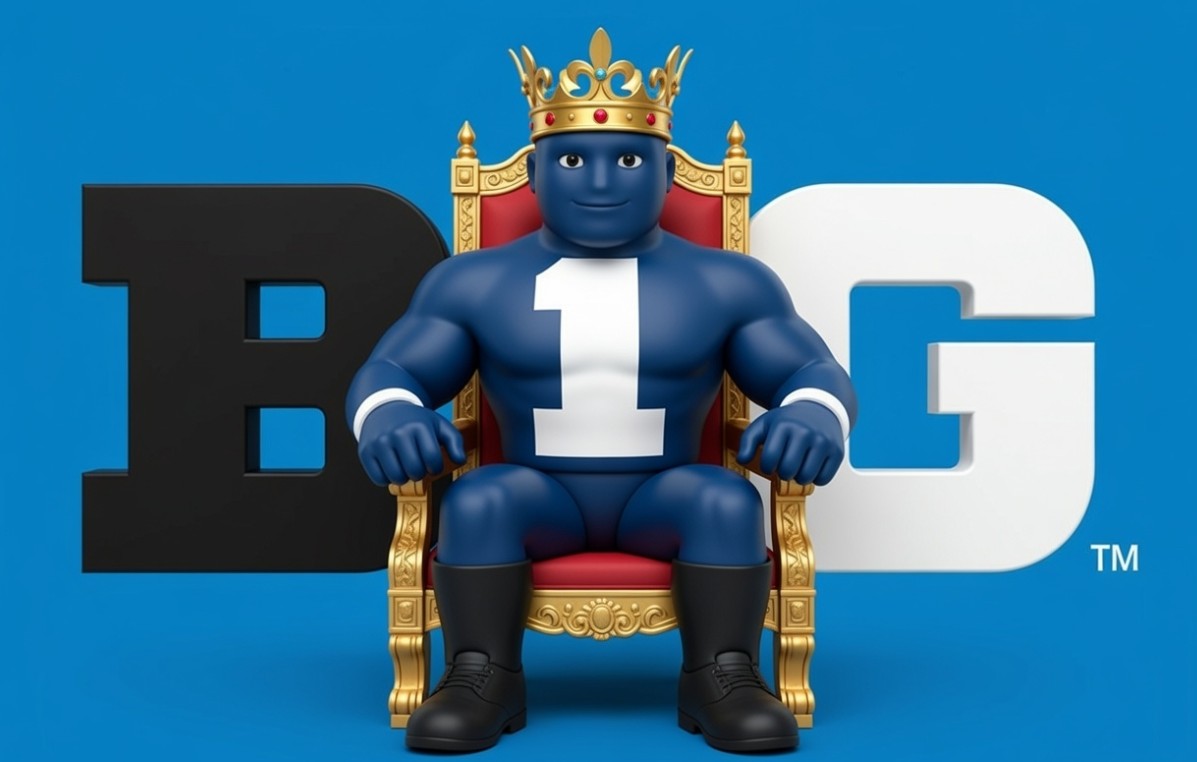
As the final red and white confetti settled onto the torn grass at Hard Rock Stadium, the story of the night went far beyond one unforgettable game. From an Ohio State fan’s perspective, there was a familiar feeling in the air — not of disappointment, but of conference pride. For the third straight season, the Big Ten stood atop college football, and this time it was Indiana completing the league’s remarkable run with a 27–21 win over Miami to claim its first-ever national championship.
The Hoosiers’ rise, capped by a perfect 16–0 season, felt almost unreal even to those who watched it unfold week by week. Indiana never trailed in the title game, controlling the first half and holding Miami to just 69 yards before the break. The second half delivered the kind of tension that defines championship nights, but Indiana answered every push. A blocked punt returned for a touchdown, a legendary fourth-down quarterback draw by Fernando Mendoza, and a final interception by Jamari Sharpe sealed a win that will live forever in Bloomington and throughout the Big Ten footprint.
For Ohio State fans, the irony is not lost that Indiana’s path to the trophy included a narrow 13–10 win over the Buckeyes in the Big Ten Championship Game. It stung in the moment, but history has a way of providing perspective. Indiana didn’t just beat Ohio State — they went on to dismantle Alabama and Oregon in the playoff before outlasting Miami on college football’s biggest stage. That context matters, and it makes the Big Ten’s collective dominance impossible to ignore.

This championship also marked the conference’s third straight national title, following Michigan in 2024 and Ohio State in 2025. It’s the first time the Big Ten has accomplished that feat since 1940–42, when Minnesota and Ohio State ruled the sport. What makes this stretch even more impressive is the variety of programs doing it. For decades, Ohio State and Michigan carried the conference’s national reputation. Now Indiana has proven that the blueprint extends well beyond the traditional powers.
Big Ten commissioner Tony Petitti, often a lightning rod for debate, wore the look of someone who knew exactly what this moment meant. As he navigated the chaos of celebration on the field, the message was clear: the Big Ten is no longer defined by one style, one region, or one brand. It is defined by results. Three years, three champions, three different programs — all finishing the job on college football’s biggest stage.

Indiana’s transformation is what makes this title resonate even more. This was once the program everyone penciled in for homecoming. Now it is a national champion, and it did it without five-star recruits or blueblood shortcuts. It did it with development, belief, and a head coach who turned skepticism into fuel. For the rest of the conference — including Ohio State — the lesson is both sobering and inspiring. The standard has been raised, and everyone is chasing it now.
From Columbus, the view is clear. Ohio State helped start this run, and the Buckeyes remain a pillar of Big Ten football, but the league’s dominance no longer rests on one helmet or one stadium. Indiana’s moment is a Big Ten moment, and it reinforces what the last three seasons have proven beyond doubt: the road to the national championship now runs through this conference.
As the celebration rolled on into the South Florida night, one thing was undeniable. The Big Ten is on top of the college football world again — and this time, it’s not just familiar faces holding the trophy.