 Eric Boggs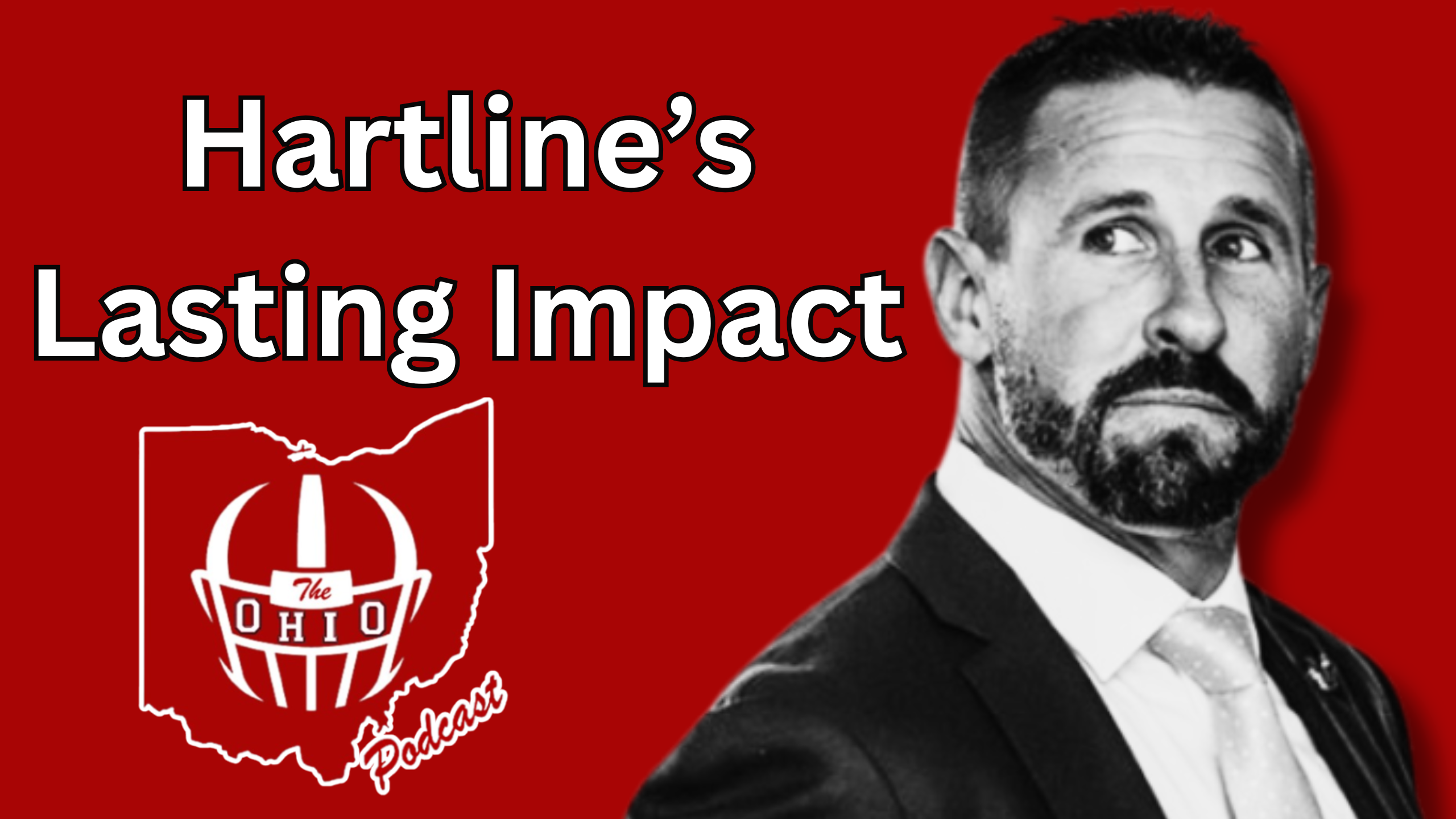
Ohio State fans can appreciate just how special the 2026 recruiting class turned out to be while also understanding the reality that followed it. Ryan Day and his staff closed that class in impressive fashion, setting the Buckeyes up well for the future, but the departure of Brian Hartline still stings. His influence on the program, both on the field and on the recruiting trail, is impossible to ignore, and replacing that combination of developer, recruiter, and offensive mind was never going to be simple.
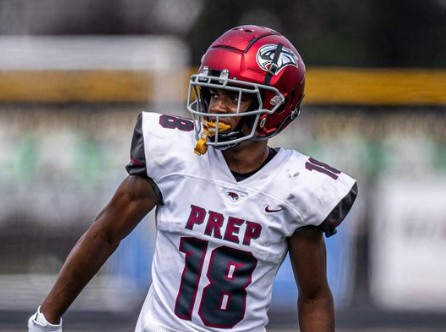
Hartline’s reputation as one of the nation’s elite recruiters was reinforced during the 2026 cycle. Rivals recognized him as one of the top 10 recruiters in the country, a nod that felt more like confirmation than surprise. His relationships were central to Ohio State landing two of the crown jewels of the class. Chris Henry Jr., a five-star wide receiver and arguably the top prize of the cycle, committed largely because of the trust he built with Hartline. Even after Hartline accepted the head coaching job at South Florida, Day and the Buckeyes were able to keep Henry locked in, a testament to both the foundation Hartline laid and the strength of Ohio State as a program. Jerquaden Guilford was another massive win, and his rise to five-star status in updated Rivals rankings only further highlighted the caliber of talent Hartline consistently attracted to Columbus. Those recruiting victories alone cement why Buckeye fans remain grateful for his work.
It also felt inevitable that Hartline would eventually get the chance to run his own program. South Florida’s move surprised some, but once there, he wasted no time attacking the transfer portal and assembling talent, immediately reminding everyone why he had been so valuable at Ohio State. His rise was built on more than recruiting, though. A former Buckeye wide receiver himself, Hartline joined the coaching staff in 2018 and steadily climbed the ranks, eventually becoming co-offensive coordinator under Chip Kelly during a stretch when Ohio State’s offense flourished and the program captured a national championship.

The 2025 season added another layer to Hartline’s résumé. When Ryan Day stepped back into a more managerial role and delegated play-calling, the Buckeyes thrived offensively. During Hartline’s time as the primary offensive coordinator, Ohio State finished the regular season ranked 13th nationally in scoring at 37 points per game, 24th in total offense, and 24th in passing offense. The contrast became sharper later in the year. After Day resumed play-calling duties following the loss to Indiana, the offense stalled at critical moments, managing just 24 total points over the final two games against Indiana and Miami. The offensive line struggled, quarterback Julian Sayin appeared rattled, and the cohesion that defined the unit earlier in the season faded.
Hartline has been candid about what he took away from that experience. Speaking on the Fan Streams Sports-Ohio podcast, he discussed the different levels of involvement a head coach can have on offense, from simply listening, to vetoing or suggesting calls, to fully calling plays. His conclusion, shaped by what he witnessed at Ohio State, leaned toward a more managerial approach. In his view, stability matters, but modern championship football demands delegation. He even pointed out that since the early 2000s, no head coach who also calls plays has won it all, a lesson he seems determined to apply at South Florida.
That philosophy showed up quickly in his staff decisions. Hartline hired Tim Beck as South Florida’s offensive coordinator, bringing in a coach with 12 years of experience across stops at Nebraska, Ohio State, Texas, and NC State. Beck’s Ohio State ties run deep, as he served as the Buckeyes’ offensive coordinator during their 2014 College Football Playoff run. Hartline also added another Buckeye connection by hiring former Ohio State receiver KJ Hill as an offensive analyst, further tying his new program to the culture he helped build in Columbus.

One of the more telling moments surrounding Hartline’s departure involved Jeremiah Smith. The star wide receiver, who has long been a target of outside programs including Miami, has remained firm in his commitment to Ohio State. Smith has made it clear that next season will likely be his final one in Columbus before heading to the NFL. Hartline even joked recently about briefly discussing the idea of Smith joining him at South Florida before quickly shutting it down, emphasizing that staying at Ohio State was the best decision for him. More seriously, Hartline praised the Buckeyes as a program, noting that Ohio State’s success is about more than one coach or one player and that the environment in Columbus maximizes what elite talent can become.
Back at Ohio State, the program moved deliberately in finding Hartline’s replacement at offensive coordinator. After a 52-day search, the Buckeyes landed former Pittsburgh Steelers offensive coordinator Arthur Smith. He now inherits not just a position, but a standard shaped by years of elite recruiting, player development, and offensive production. Filling Hartline’s shoes will not be easy, but the foundation he left behind remains strong.
For Ohio State fans, the reality is bittersweet. Losing Brian Hartline was always going to hurt, yet his fingerprints are all over the present and future of the program. From five-star receivers to offensive philosophy, his influence continues to shape the Buckeyes even as he begins a new chapter in Tampa.