 Eric Boggs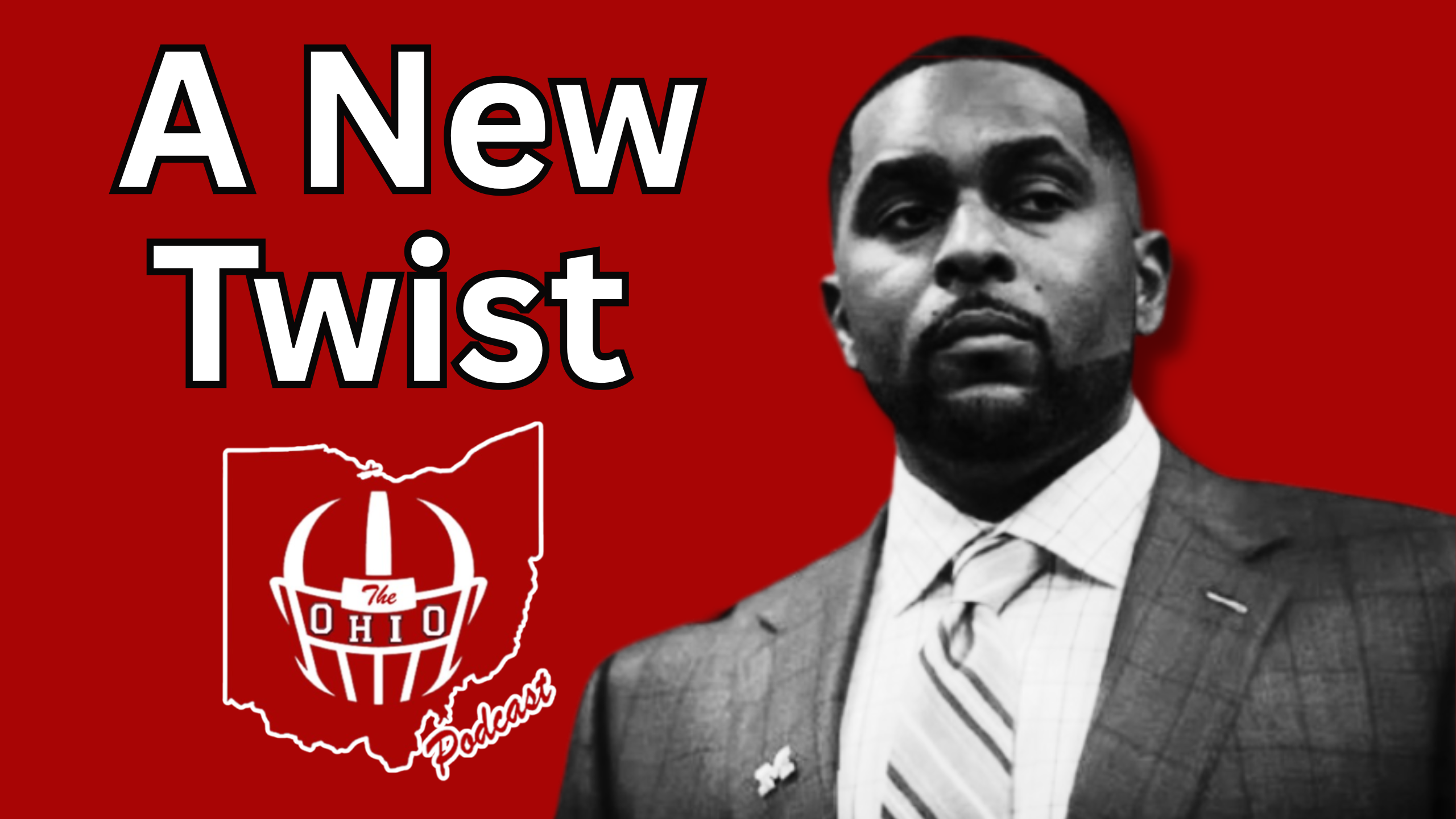
The ongoing legal saga involving former Michigan head coach Sherrone Moore has taken another turn, and it is yet another reminder that developments north of Columbus rarely stay quiet for long. A judge’s recent decision to grant Moore a hearing on whether his constitutional rights were violated has added fresh intrigue to a case already layered with controversy, institutional questions, and intense fan reaction across the rivalry divide.
Moore was fired in December 2025 following an internal investigation that determined he had engaged in an inappropriate relationship with a female staff member. Only hours after that termination, he was arrested and charged with felony home invasion, stalking, and illegal entry after allegedly entering the woman’s apartment and threatening both her and himself. He pleaded not guilty and was released on bond with GPS monitoring. His attorney, Ellen Michaels, has consistently argued that the charges stem from misleading or incomplete information provided to authorities.

That argument gained traction when Judge J. Cedric Simpson ruled that there may have been a “glaring omission” in the warrant request used for Moore’s arrest, noting that investigators did not disclose the prior relationship between Moore and the woman. The judge stated that such information could have affected a magistrate’s decision and scheduled a March 2 hearing to question law enforcement and witnesses about how the case was handled. From a legal standpoint, the ruling does not clear Moore, but it does signal that the court sees enough procedural concern to examine the foundation of the charges.
Defense claims extend beyond procedural issues. According to filings and public statements, Moore’s legal team suggests that some evidence—such as a series of phone calls cited in stalking allegations—may have been mischaracterized and were actually related to football operations. They also hint at internal tensions within the athletic department, implying that individuals inside the program may have been working against Moore prior to his dismissal. Those claims remain unproven, but they have fueled speculation and debate across college football circles.

Reaction has been particularly intense among rival fanbases. Commentary circulating in fan communities ranges from sympathy to skepticism, with some supporters insisting Moore is the victim of a setup while others argue the situation reflects personal misconduct regardless of legal outcome. Rivalry emotions inevitably color those discussions, especially when comparisons are drawn to past scandals involving other programs, including those at Ohio State University. Buckeye supporters remember the fallout surrounding Jim Tressel and often point out that scrutiny in college football tends to be cyclical rather than selective.
The situation also carries broader context because Moore had been the hand-picked successor to Jim Harbaugh, whose tenure included both on-field success and major investigations. Any controversy tied to that coaching lineage inevitably sparks renewed discussion about institutional oversight and compliance, particularly given the long shadow cast by the NCAA. From a Buckeye vantage point, the storyline reinforces a familiar belief: programs that spend years celebrating success must also be prepared to confront scrutiny when problems arise.

Speculation has even stretched into hypothetical scenarios involving figures like Ryan Day or administrators such as Ross Bjork, with commentators imagining how a similar controversy would be received in Columbus. While such comparisons are purely theoretical, they highlight how rivalry culture magnifies every development. For Ohio State followers, the dominant sentiment is not celebration but vigilance—watching closely as facts emerge while insisting that accountability and transparency should apply equally across the sport.
Ultimately, Moore’s legal battle is far from resolved. The upcoming evidentiary hearing could clarify whether investigators acted properly or whether key details were omitted in a way that affected his rights. Until then, the case remains a developing story that blends law, college football politics, and one of the fiercest rivalries in sports. For Ohio State fans, it is another chapter worth monitoring carefully, not only because of who is involved, but because in college football the consequences of controversy rarely stay confined to one sideline.