 Eric Boggs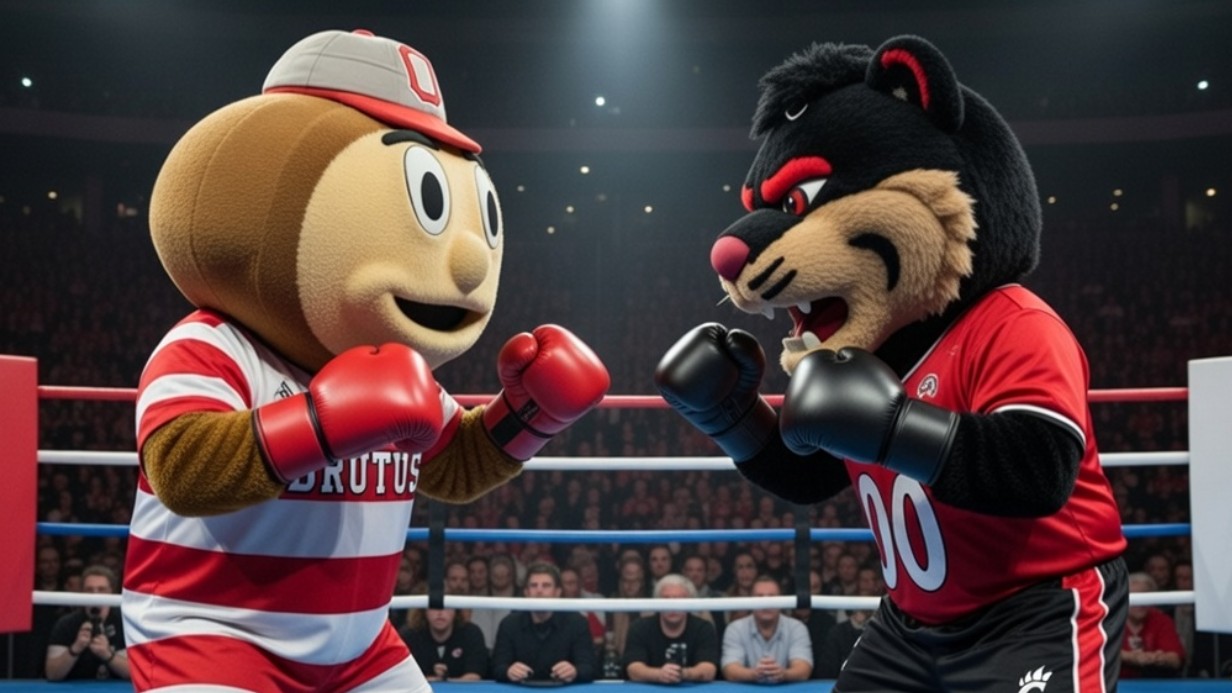
The conversation around recruiting in Cincinnati has quietly become one of the more fascinating subplots surrounding Ohio State University football, and recent discussion from The OHIO Podcast community underscores why Buckeye fans should view the region as both an opportunity and a challenge. Cincinnati is undeniably rich with talent, yet the Buckeyes’ relationship with the city has always been more complicated than simple geography suggests. Unlike most of the state, where prospects grow up dreaming of scarlet and gray Saturdays, Cincinnati often operates within its own cultural orbit, one shaped by tradition, identity, and longstanding allegiances.
One factor repeatedly cited is the city’s strong Catholic sports culture, which historically funnels admiration toward University of Notre Dame. That generational loyalty, passed from grandparents to parents to athletes, creates a recruiting barrier unique within Ohio. In Cleveland, Akron, or Youngstown, top prospects typically identify as Ohio kids first and Buckeye fans by extension. In Cincinnati, many identify as Cincinnati natives before anything else, and that civic pride can subtly steer attention toward programs outside Columbus.
Another layer is institutional rivalry and conference politics. When expansion rumors once floated about the Big Ten Conference potentially adding the University of Cincinnati, resistance reportedly emerged because adding an in-state peer could elevate the Bearcats’ profile in ways that might chip at Ohio State’s long-held status as the state’s flagship program. The comparison often invoked is Michigan State University joining the same league as its in-state counterpart, a move that eventually created a true two-power dynamic in Michigan. From a Buckeye-leaning perspective, maintaining clear in-state hierarchy has always been part of the program’s strategic positioning.
History adds even more texture. On the football field, Ohio State has dominated in-state competition for more than a century and has not lost to an Ohio opponent since 1921. The most recent meeting with Cincinnati came in 2019, a decisive Buckeye win that reinforced that hierarchy. Hardwood history, however, tells a different story. Cincinnati stunned the Buckeyes in the 1961 and 1962 national championship games, led by stars like Paul Hogue, defeating Ohio State squads featuring legends such as Jerry Lucas, John Havlicek, and Bobby Knight. Those back-to-back title losses remain a sore spot for older Buckeye supporters and still color how longtime fans perceive the Bearcats.

The scheduling debate reflects this tension. Some supporters argue that playing Cincinnati more often—especially early in the season before marquee matchups like games against Texas Longhorns—could strengthen recruiting pipelines in southwest Ohio and provide a competitive regional showcase. Others counter that the risk-reward balance tilts heavily against Ohio State. Victories over Cincinnati rarely boost national perception, while a loss would instantly become headline material and recruiting ammunition for rivals. With a demanding conference slate and the realities of modern scheduling, many Buckeye loyalists believe there is little tangible upside.
Still, the idea refuses to disappear because the stakes extend beyond a single game. Cincinnati remains one of the most talent-rich areas in the Midwest, and every recruiting cycle that passes without the Buckeyes locking down its top prospects sparks renewed debate. Whether through occasional matchups, deeper high school relationships, or simply sustained on-field dominance, Ohio State’s challenge is finding ways to make the Queen City feel less like contested territory and more like home turf.