 Eric Boggs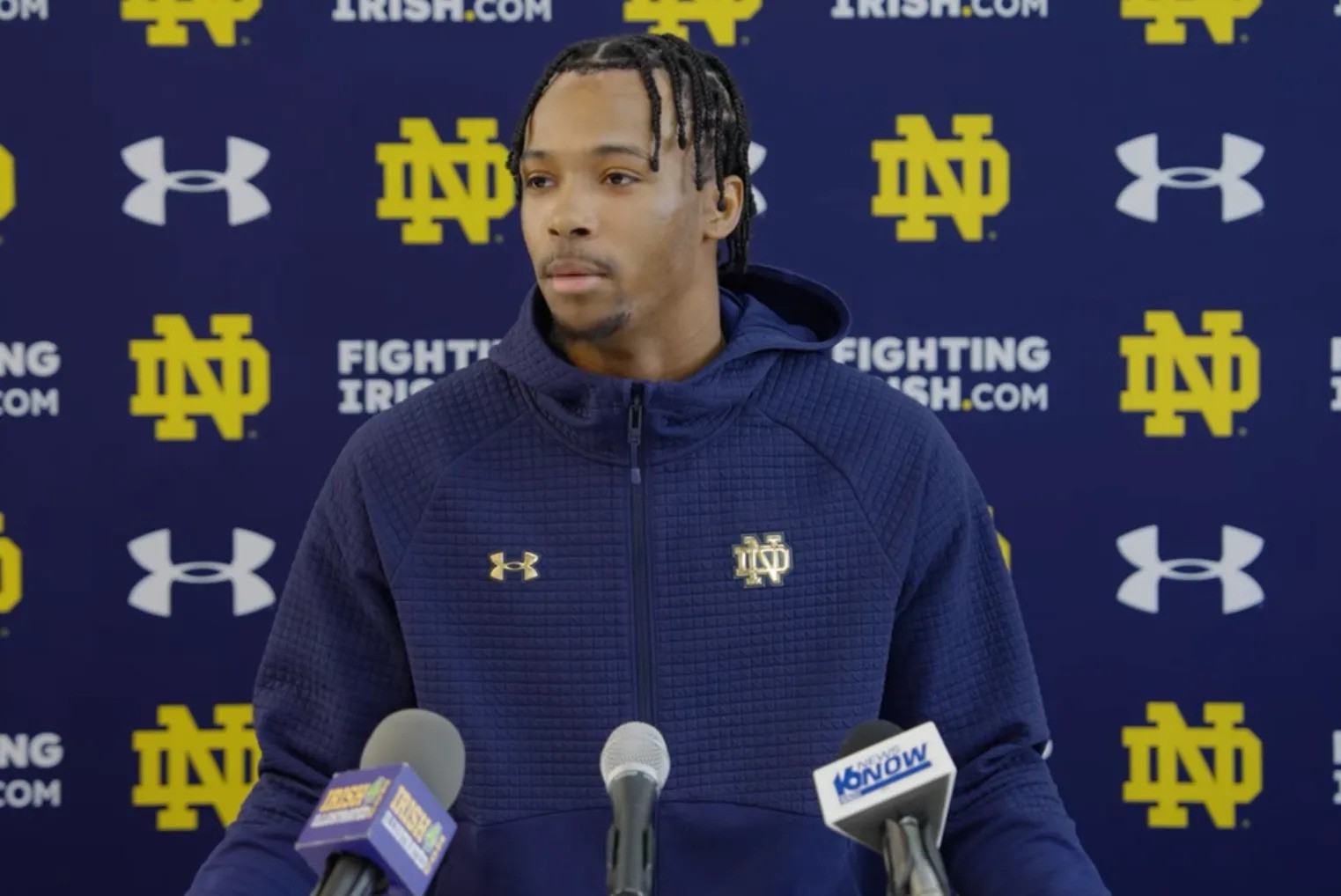
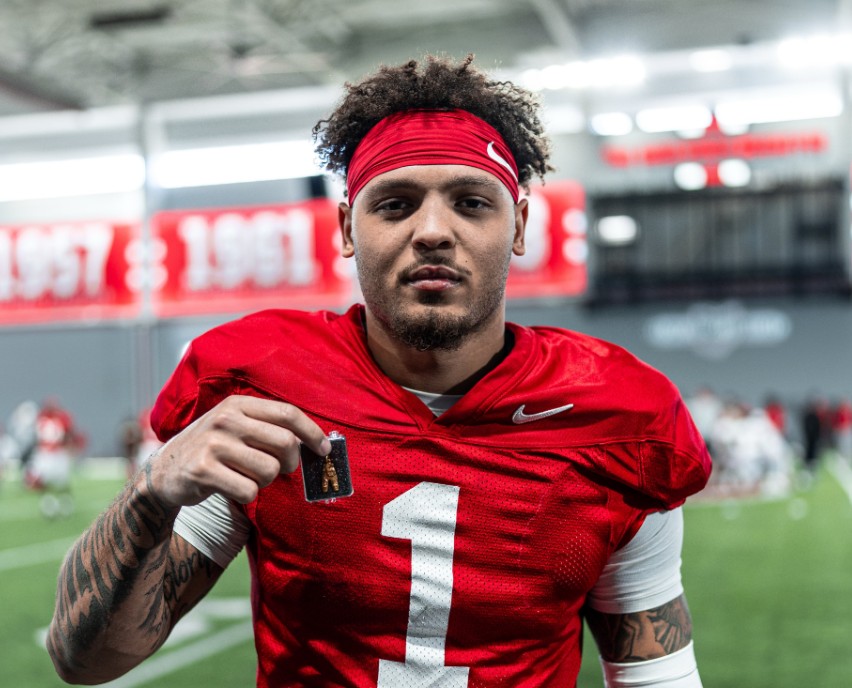
For Ohio State fans, the transfer of former five-star wide receiver Mylan Graham to Notre Dame is less about what was lost and more about what it reinforces: just how deep and competitive the Buckeyes’ wide receiver room has become.
Graham arrived in Columbus with significant expectations but found himself buried on a depth chart loaded with elite talent, including rising star Jeremiah Smith and projected first-round talent Carnell Tate. Despite flashes of ability, mostly during a meaningless glorified practice known as the annual spring game, his on-field production remained limited, finishing with just six receptions for 93 yards last season after redshirting as a freshman. Opportunity was available at times, particularly when injuries opened the door, but consistency—both on and off the field—ultimately prevented him from securing a larger role in the offense.

From an Ohio State perspective, that context matters. The Buckeyes didn’t lack belief in Graham’s raw talent—his speed, quickness, and playmaking ability were evident—but earning trust in a program as demanding as Ohio State requires more than potential. Reports surrounding his time in Columbus pointed to struggles with preparation and reliability, factors that are often just as critical as performance on Saturdays. In a room coached by Brian Hartline, where precision and accountability are non-negotiable, falling short in those areas can quickly impact playing time.
Now at Notre Dame, Graham steps into a very different situation—one where opportunity may come more readily. The Fighting Irish have long searched for consistency at wide receiver, and his arrival, along with fellow transfer Quincy Porter, has energized a fan base eager for offensive growth. With quarterback CJ Carr coming off a strong freshman campaign—throwing for over 2,700 yards and 24 touchdowns—there is optimism that Graham could quickly carve out a meaningful role.

That optimism has only grown following a viral offseason moment in which Graham pointed out one of the biggest differences between the two programs: academics. His comment about needing to attend classes in person at Notre Dame sparked widespread reaction, drawing both praise and criticism. While some interpreted it as a subtle jab at Ohio State, many Buckeye fans were quick to defend the university’s academic structure, noting that flexibility in course delivery is common across major programs. Ultimately, the moment became more of a cultural talking point than a substantive critique.
Meanwhile, Notre Dame fans have embraced Graham, projecting him as a potential breakout player in their offense. That enthusiasm is understandable given his recruiting pedigree, but from an Ohio State viewpoint, it remains to be seen whether that potential translates into consistent production. The reality is that while Graham possesses the tools to succeed, he leaves behind a program where competition sharpened every aspect of his game—even if it limited his opportunities.

For the Buckeyes, his departure changes little in the bigger picture. Ohio State continues to reload with elite talent at wide receiver, maintaining a standard that has made it one of the premier development pipelines in college football. Players who can’t crack the rotation in Columbus often become impact contributors elsewhere, a testament to the level of competition within the program.
Graham’s move to South Bend represents a chance for a fresh start, and sometimes that change of scenery is exactly what a player needs. For Ohio State fans, there’s no bitterness—just recognition. The Buckeyes are built to move forward, and with their current roster, they remain as dangerous as ever at wide receiver.