 Eric Boggs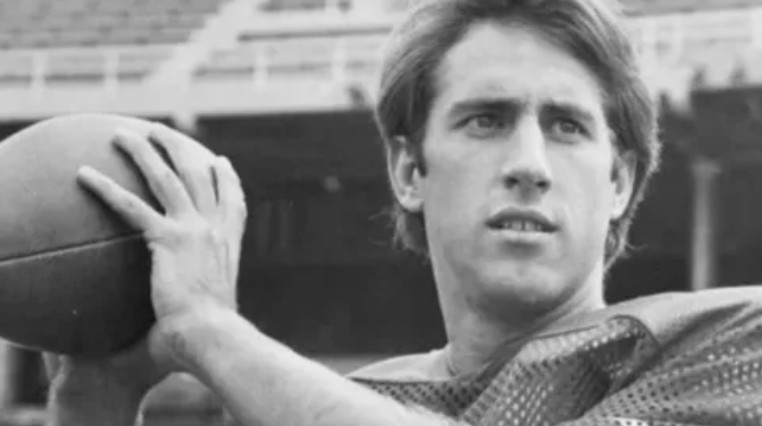
The Ohio State community is mourning the loss of one of its most versatile and memorable former players, as Bob Atha passed away at the age of 65 following a lengthy battle with cancer. For Buckeye fans, Atha represents a unique era of Ohio State football—one defined by toughness, adaptability, and a willingness to do whatever the team needed to win.
A native of Worthington, Ohio, Atha arrived at Ohio State in 1978 as a walk-on and quickly carved out a role that showcased his rare versatility. During his early years, he served as a backup to quarterback Art Schlichter while also contributing behind placekicker Vlade Janakievski. His ability to handle multiple responsibilities made him an invaluable piece of the roster, even before stepping into a starting role.
That opportunity came during his senior season in 1981, when Atha took over as Ohio State’s starting placekicker while continuing to serve as the backup quarterback to Mike Tomczak. What followed was the finest season of his career. Atha led the Buckeyes in scoring with 88 points, connecting on 13 field goals and 43 extra points while even adding a touchdown—an achievement that perfectly captured his do-it-all impact on the field.

His legacy was cemented on October 24, 1981, inside Ohio Stadium, when he delivered one of the greatest single-game kicking performances in program history. Atha knocked through five field goals in a 29-10 victory over Indiana, setting a school record that still stands today. Decades later, that mark continues to be shared with notable Buckeyes such as Mike Nugent, Josh Huston, and Devin Barclay, a testament to just how special that performance remains in Ohio State lore.
Atha was also tied to one of the most infamous moments in college football history. During the 1978 Gator Bowl against Clemson, he was called upon for a potential go-ahead field goal late in the game. That opportunity never materialized, as an interception by Clemson’s Charlie Bauman led to Woody Hayes striking the opposing player on the sideline—an incident that resulted in Hayes’ dismissal and remains a defining moment in the sport’s history. While Atha never got his chance in that moment, his presence in such a pivotal sequence further connects him to a significant chapter of Buckeye history.

Following his time at Ohio State, Atha went on to play in the NFL with the Miami Dolphins and the St. Louis Cardinals, continuing his football journey at the professional level. Yet, like many Buckeye greats, his roots ultimately brought him back home. He returned to Worthington, where he spent decades working in his family’s oil and gas business, remaining a part of the same community where his football story began.
As news of his passing spread, Ohio State fans reflected on Atha not just as a player, but as a person—sharing memories of his performances, his character, and the impression he left on those who met him. His story resonates because it embodies what so many Buckeye supporters value: perseverance, humility, and a team-first mentality.
Bob Atha may not always be the first name mentioned among Ohio State legends, but his legacy is undeniable. He was a player who did it all, delivered when called upon, and left his mark in ways that still echo through the program today.