 Eric Boggs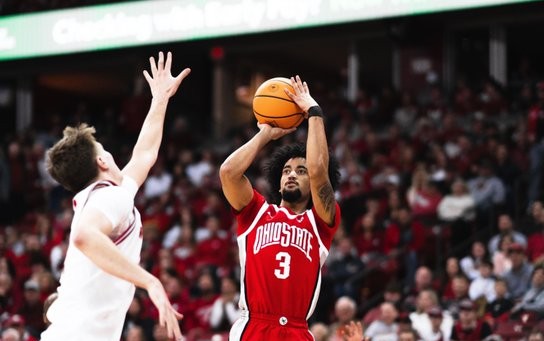
Ohio State’s offseason overhaul continues to take shape, and nowhere is the impact more significant than in the backcourt. With both Gabe Cupps and Taison Chatman entering the transfer portal, the Buckeyes are now faced with a major roster rebuild at the guard position heading into the 2026-27 season.
From an Ohio State perspective, these departures highlight both the challenges of roster development and the realities of modern college basketball. Cupps, who spent just one season in Columbus after transferring from Indiana, never fully established himself in the rotation. Serving as the team’s fourth guard, he averaged 1.7 points, 1.1 rebounds, and 1.1 assists in just over 12 minutes per game. While he provided some defensive effort on the perimeter, his overall impact was limited, and he struggled to address the depth concerns that plagued Ohio State throughout the season.
Cupps arrived with a strong résumé as a former Ohio Mr. Basketball and top-100 national recruit, but his college career has yet to find consistent footing. After starting as a freshman at Indiana and battling injuries, including a torn meniscus that derailed his sophomore campaign, he will now look for a fresh start with two years of eligibility remaining. His departure, while not unexpected, further thins a position group that already needed reinforcements.

More impactful, however, is the loss of Chatman, whose potential always seemed just on the verge of breaking through. A former top-40 national prospect and one of the headliners of Ohio State’s 2023 recruiting class, Chatman’s career in Columbus was defined as much by injuries as flashes of promise. After a limited freshman season and a torn ACL that wiped out his second year, he finally put together a relatively healthy campaign in 2025-26.
That season showed both what could have been and what still needed development. Chatman averaged 4.3 points per game while shooting an impressive 47.1% from three-point range, emerging at times as a legitimate scoring option off the bench. His midseason stretch, which included multiple double-digit scoring performances, gave Buckeye fans a glimpse of his offensive upside. However, inconsistency and a quiet finish to the season—including minimal impact in postseason play—left lingering questions about his long-term role.
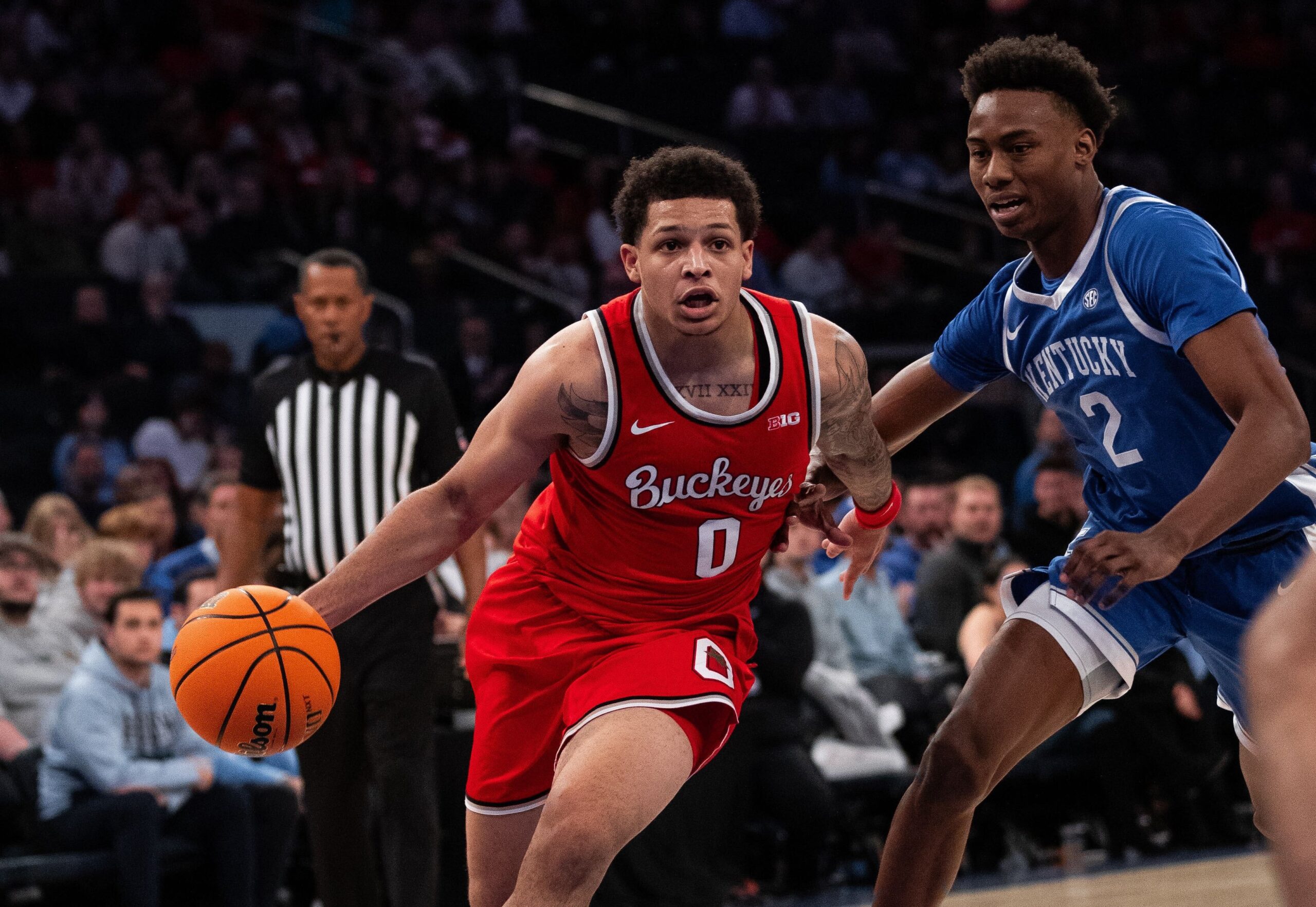
With both players now moving on, Ohio State’s backcourt picture becomes increasingly uncertain. As it stands, John Mobley Jr. is the only returning guard from last season who logged significant minutes, and even his status remains in flux as he evaluates the NBA Draft process. The departure of Bruce Thornton due to eligibility had already created a major void at point guard, and now the Buckeyes must address multiple roles rather than just one.

The priority is clear: Ohio State must be aggressive in the transfer portal. Adding a veteran starting point guard is essential, particularly one capable of stabilizing the offense and complementing Mobley if he returns. Beyond that, the Buckeyes now need additional depth pieces—players who can handle the ball, create offense, and provide consistency off the bench. The expectation that Chatman might take a leap into a larger role is no longer part of the equation, forcing the coaching staff to rethink its approach entirely.
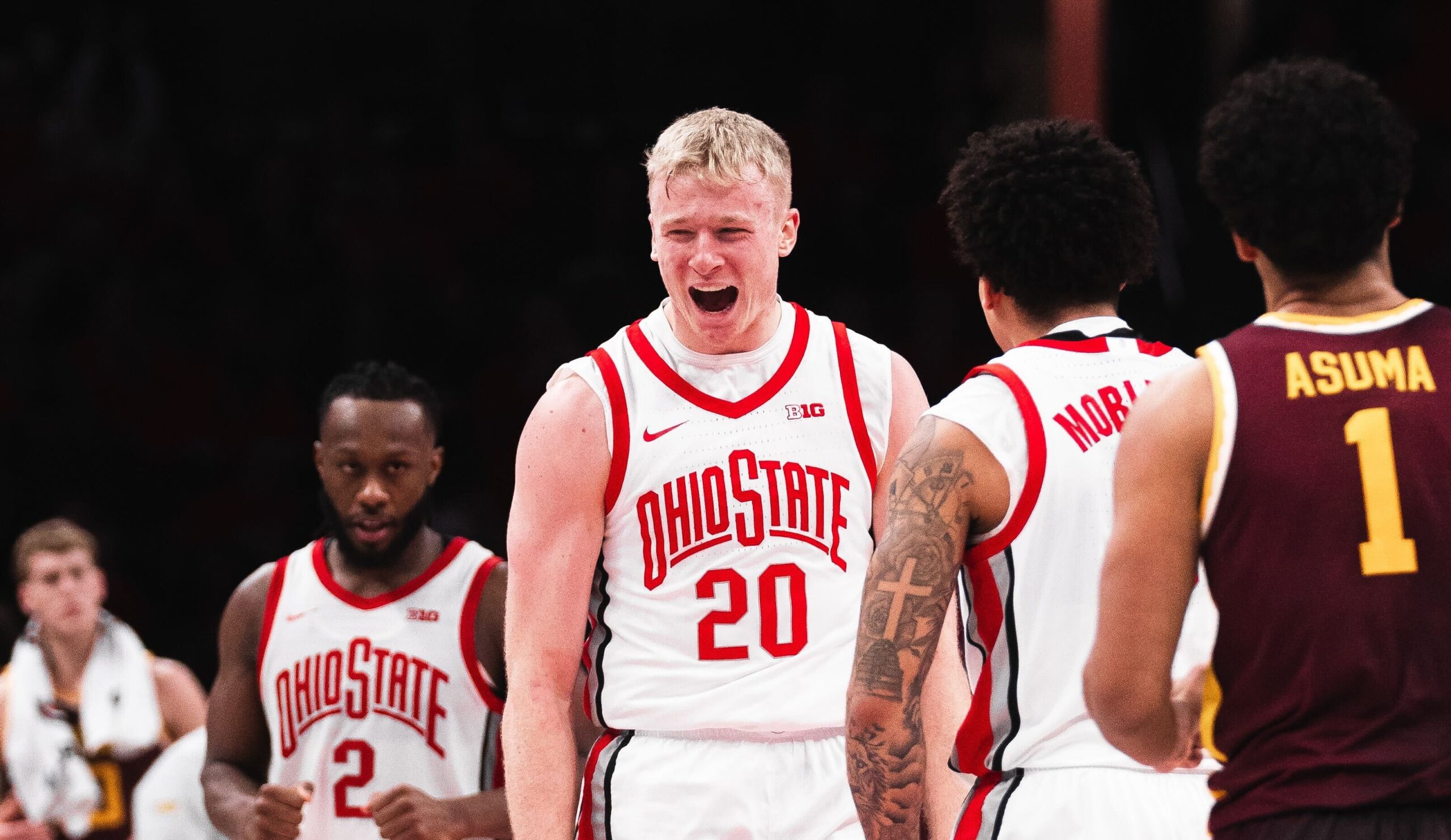
These moves also reflect a broader transition within the program. With four players—Cupps, Chatman, Devin Royal, and Colin White—entering the portal, Ohio State is undergoing a significant roster reset. While Amare Bynum’s return provides some stability in the frontcourt, the guard position will ultimately determine the ceiling of next year’s team.
For Buckeye fans, this moment carries both concern and cautious optimism. The losses create undeniable gaps, but they also open the door for new additions who may better fit the system and provide immediate impact. Ultimately, how Ohio State navigates the portal in the coming weeks will define whether this backcourt shakeup becomes a setback or an opportunity for a more complete and competitive roster.