 Eric Boggs
For Ohio State fans, the end of the college basketball season delivered a result that was as frustrating as it was revealing. Michigan, of all programs, ended the Big Ten’s 26-year national championship drought with a 69-63 win over UConn, instantly reshaping the narrative around the conference and intensifying expectations in Columbus.
The reality is impossible to ignore. While the Big Ten celebrates its first men’s basketball national title since 2000, it’s Ohio State’s biggest rival that sits at the top of the sport. In just two seasons under Dusty May, Michigan has gone from rebuilding to national champion, a rise that only sharpens the contrast with where the Buckeyes currently stand under Jake Diebler.
From an Ohio State perspective, that contrast is where the pressure truly begins. Diebler has helped stabilize the program after a difficult stretch, guiding the Buckeyes back to the NCAA Tournament in 2025-26. But the bigger picture remains unchanged—Ohio State has not won an NCAA Tournament game in four years and hasn’t reached the second weekend since 2013. Now, with Michigan proving that a rapid turnaround is possible in today’s transfer portal era, patience among Buckeye fans is wearing thin.
That urgency is only amplified by the broader success of the Big Ten. With a national championship in football, men’s basketball, and women’s basketball in the same academic year, the conference has set a new standard. Programs are finding ways to compete at the highest level, and Ohio State, despite its resources and brand, cannot afford to lag behind—especially when its fiercest rival is leading the charge.
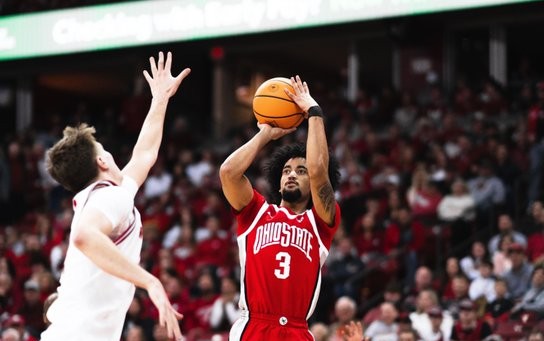
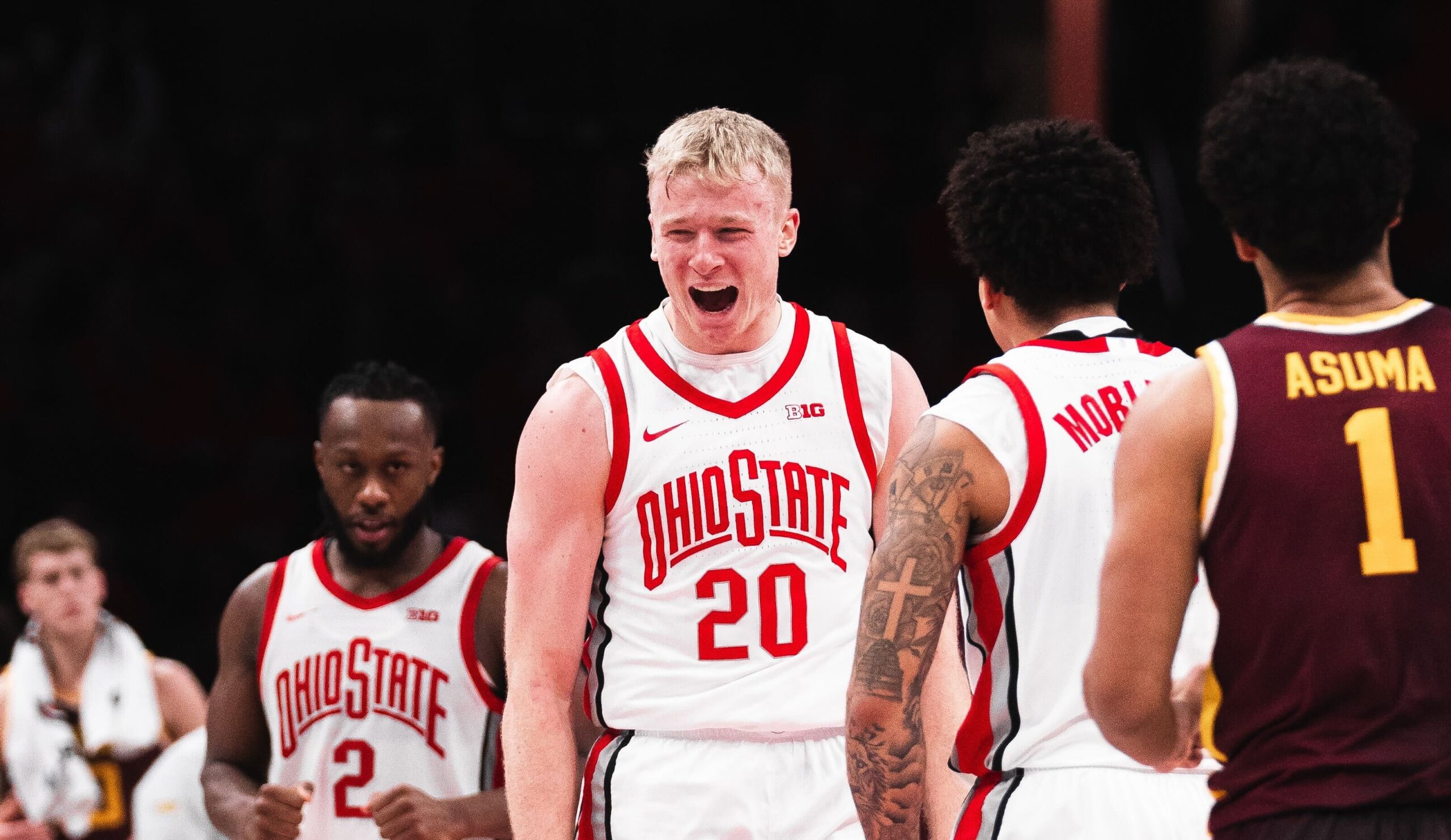
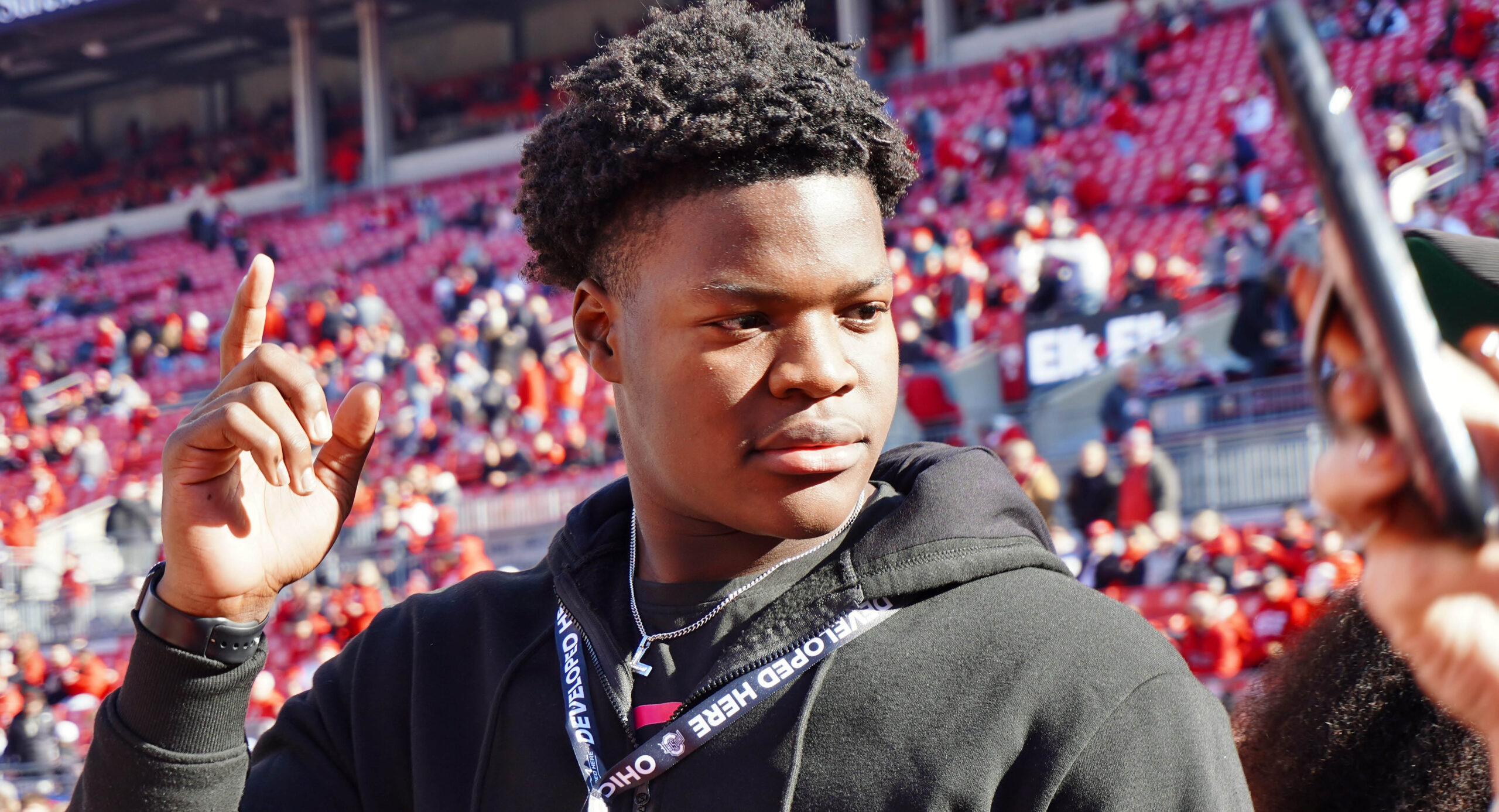
The challenge for Diebler is clear, and it starts with roster construction. Ohio State is undergoing a significant overhaul, with more than half of last season’s roster gone due to graduation and transfer portal departures. The Buckeyes return a limited core, headlined by John Mobley Jr. and Amare Bynum, while also bringing in highly touted freshman Anthony Thompson. Beyond that, however, there are major gaps that must be addressed quickly.
The backcourt, in particular, is a glaring concern. With Bruce Thornton’s departure leaving a massive void and multiple guards entering the portal, Ohio State must land a proven veteran capable of running the offense and complementing Mobley’s scoring ability. Ideally, the Buckeyes add not just one, but multiple guards who can contribute immediately, given the lack of experienced depth currently on the roster.
In the frontcourt, the need is just as pressing. Ohio State struggled with rebounding and interior defense last season, issues that cannot carry over if the program hopes to take the next step. Adding a starting-caliber center—and competition at that position—is essential, especially with uncertainty surrounding internal options returning from injury. The Buckeyes also need to improve overall depth, something that separated them from the teams that advanced deep into March.
That’s where the comparison to Michigan becomes unavoidable. The Wolverines built their championship roster through aggressive and effective transfer portal recruiting, bringing in multiple impact players who immediately elevated the program. Ohio State, on the other hand, has yet to see that same level of return from its portal additions under Diebler. If that trend doesn’t change this offseason, the gap between the two programs could widen even further.
There’s also a broader implication for the direction of the program. Ohio State has long balanced its identity as a football-first school, but Michigan’s ability to win a national title in basketball while maintaining football success challenges many of the excuses that have surrounded the Buckeyes’ recent struggles on the hardwood. The expectation is no longer just to compete—it’s to contend.

To Diebler’s credit, there has been progress. The Buckeyes improved their conference standing and returned to the NCAA Tournament, steps that matter for a program trying to reestablish itself. But in the current landscape of college basketball, incremental progress is rarely enough. The bar has been raised, and it’s been raised by the team Ohio State fans least wanted to see holding the trophy.
Looking ahead to 2026-27, the path forward is both clear and demanding. Ohio State must capitalize on the transfer portal, land multiple impact players, and build a roster capable of not just making the tournament, but winning games once it gets there. With a likely one-and-done talent in Anthony Thompson and a potential star in Mobley, the window for meaningful progress may be shorter than it appears.
Ultimately, Michigan’s championship has changed the conversation. It’s no longer about whether Ohio State can return to relevance—it’s about whether it can rise to meet a standard that now feels closer to home than ever. For Diebler, that means delivering tangible postseason success, and soon. Because in Columbus, especially now, simply keeping pace is no longer enough.