 Eric Boggs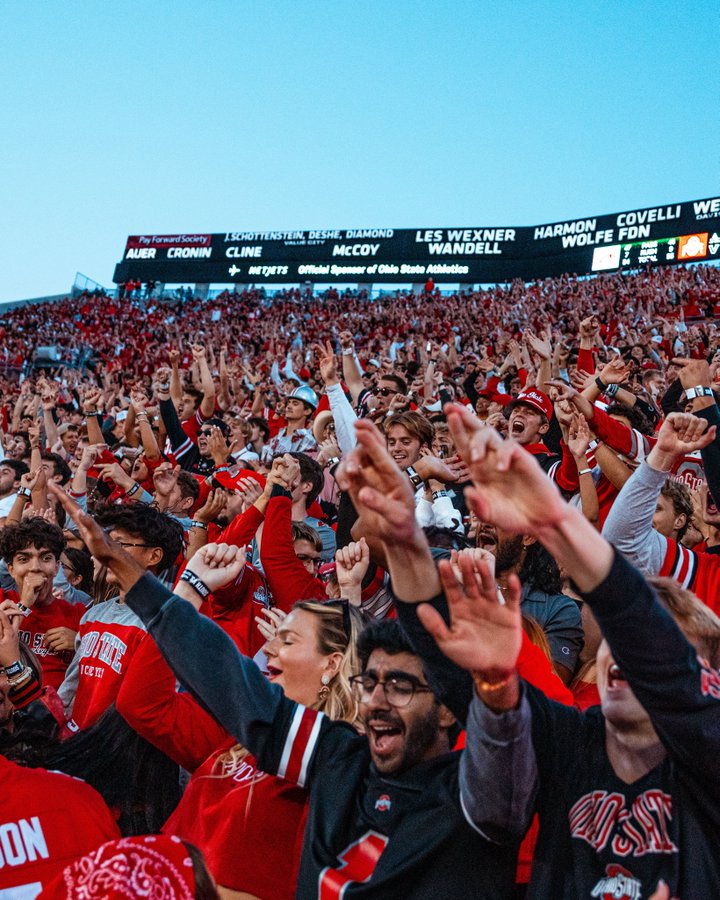
A recent piece circulated from Sports Illustrated sparked heated debate across college football circles by spotlighting a satirical ranking that portrayed supporters of the Ohio State Buckeyes as the sport’s worst fanbase. While the original meme clearly leaned into humor, the broader conversation it fueled has proven more serious, especially among Buckeye loyalists who believe the narrative oversimplifies one of the largest and most visible followings in athletics.

The critique leaned on familiar talking points, including reactions to recent losses against the Michigan Wolverines and accusations that Ohio State supporters frequently make excuses or complain online. Yet supporters counter that such portrayals cherry-pick the loudest fringe voices and treat them as representative of millions. That argument was echoed by Chris Wilds on The OHIO Podcast, who acknowledged that every major program has overzealous fans but said scale is the key factor often ignored. With one of the largest alumni and fan networks in sports, even a small percentage of problematic behavior can appear outsized compared to smaller programs.
Wilds pointed out that the Buckeyes’ prominence under head coach Ryan Day has amplified scrutiny. Ohio State consistently competes for conference titles, playoff berths, and elite recruiting classes, meaning national attention rarely drifts far from Columbus. Visibility, he argued, breeds perception; when a powerhouse wins frequently, critics are quicker to label its supporters arrogant or entitled. That visibility is also magnified by constant coverage on networks such as ESPN, Fox, and CBS, where commentary about fan reactions can spread rapidly.
From a Buckeye perspective, the same traits outsiders frame as toxicity—high expectations, intense online debate, and relentless passion—are inseparable from the program’s sustained success. Week after week, more than 100,000 fans pack Ohio Stadium, travel nationwide for postseason games, and invest heavily in NIL collectives and athletic facilities. Supporters argue that level of engagement reflects commitment rather than dysfunction.
Wilds also noted that other fanbases frequently cited for rowdy behavior, including the Tennessee Volunteers, Florida Gators, LSU Tigers, and Miami Hurricanes, have had widely publicized incidents ranging from thrown objects to hostile game-day environments. Programs with recent dynastic runs such as the Alabama Crimson Tide and Georgia Bulldogs often face similar accusations of arrogance, a byproduct of dominance that their own supporters see as earned rather than excessive. Even iconic figures like Nick Saban have experienced fan backlash despite historic success, underscoring how quickly passion can be reframed as negativity.

Ultimately, many Ohio State fans accept that their community includes outspoken personalities but reject the idea that those voices define the whole. They contend the program’s national reach and decades of winning naturally make it a lightning rod for criticism, particularly among rivals and neutral observers fatigued by sustained excellence. To them, the label of “worst fanbase” says less about Columbus and more about how college football culture reacts to any brand that refuses to fade from the spotlight.
In that sense, the debate is unlikely to disappear. As long as Ohio State remains a perennial contender and its supporters remain among the sport’s most visible, the line between passion and perception will keep fueling arguments far beyond Saturdays in the fall.