 Eric Boggs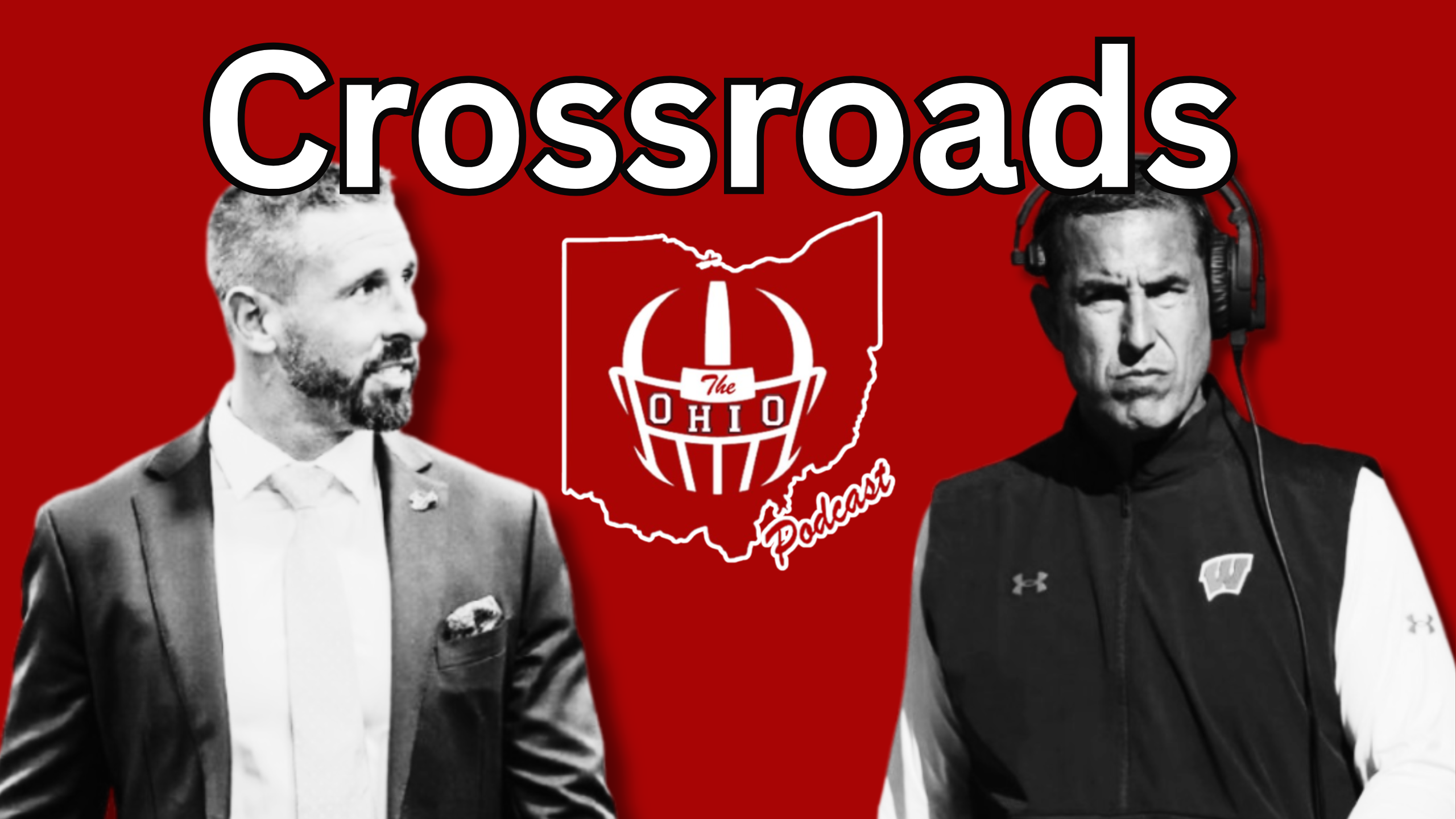
When you look at the coaching careers of Luke Fickell and Brian Hartline, it’s hard not to see the parallels. Both are Ohio State men through and through. Both built strong reputations in Columbus. And both eventually faced the same crossroads: stay in a comfortable, high-profile assistant role at Ohio State or step out on their own in pursuit of something bigger.
Fickell’s journey is well documented among Buckeye fans. A Columbus native and DeSales High School product, he was thrust into an almost impossible situation in 2011 when he took over as Ohio State’s interim head coach following Jim Tressel’s resignation. With NCAA sanctions looming and key players unavailable, Fickell guided the Buckeyes to a 6-6 regular season and a bowl appearance. It wasn’t the standard in Columbus, but given the circumstances, it was a testament to his steadiness.
When Urban Meyer arrived, Fickell returned to an assistant role, serving as co-defensive coordinator and linebackers coach. But the message was clear: if he wanted to one day be the head coach at Ohio State, he needed to prove himself elsewhere. So he did just that, taking over at University of Cincinnati football in 2017.
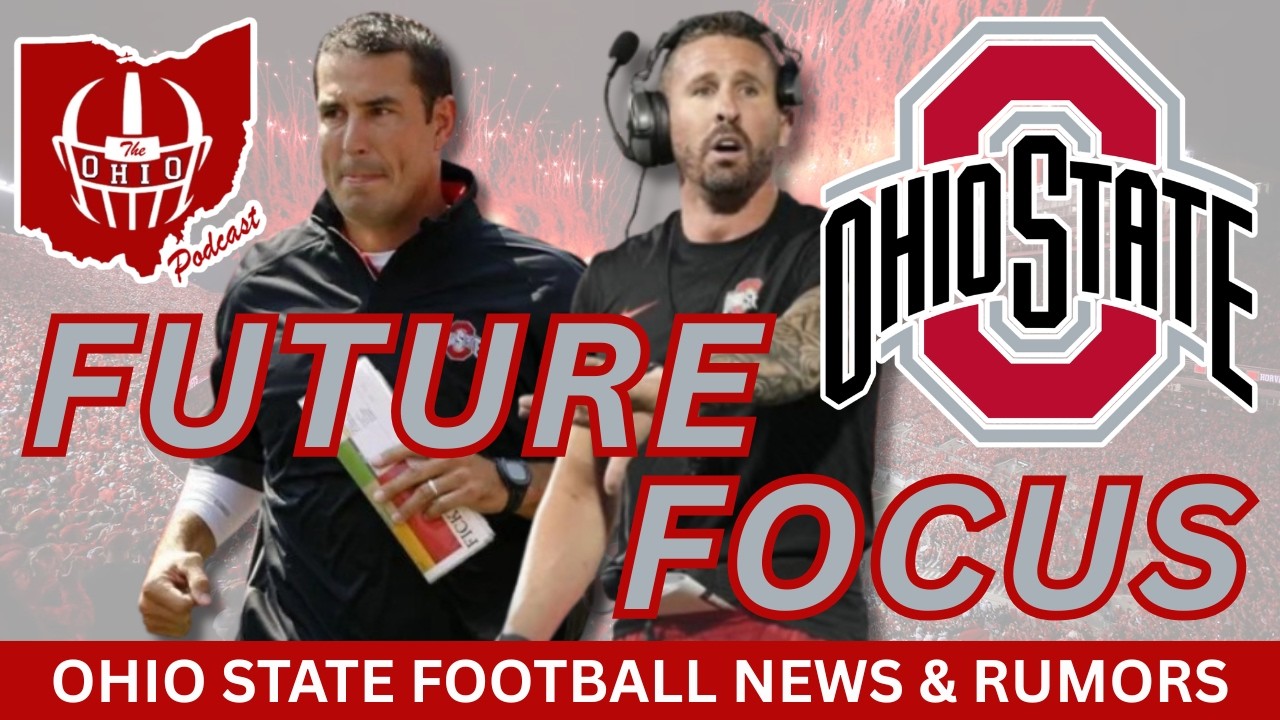
After a 4-8 debut season, Fickell transformed the Bearcats into a national story. Cincinnati posted double-digit win seasons, captured conference titles, and in 2021 reached the College Football Playoff — a historic breakthrough for a Group of Five program. His overall record of 57-18 (and 53-10 if you remove that first rebuilding year) turned him into one of the hottest names in coaching.
Yet when Ohio State made its transition after Meyer, the job went to Ryan Day — a move that left some wondering about Fickell’s place in the Buckeyes’ long-term vision. Instead of returning home, he eventually chose a new challenge at Wisconsin. The fit has been rocky. After flashes of promise, recent seasons have placed Fickell squarely on the hot seat in Madison, illustrating how even proven winners can struggle when philosophy, recruiting base, and institutional identity don’t fully align.
That’s where the comparison to Hartline becomes compelling.
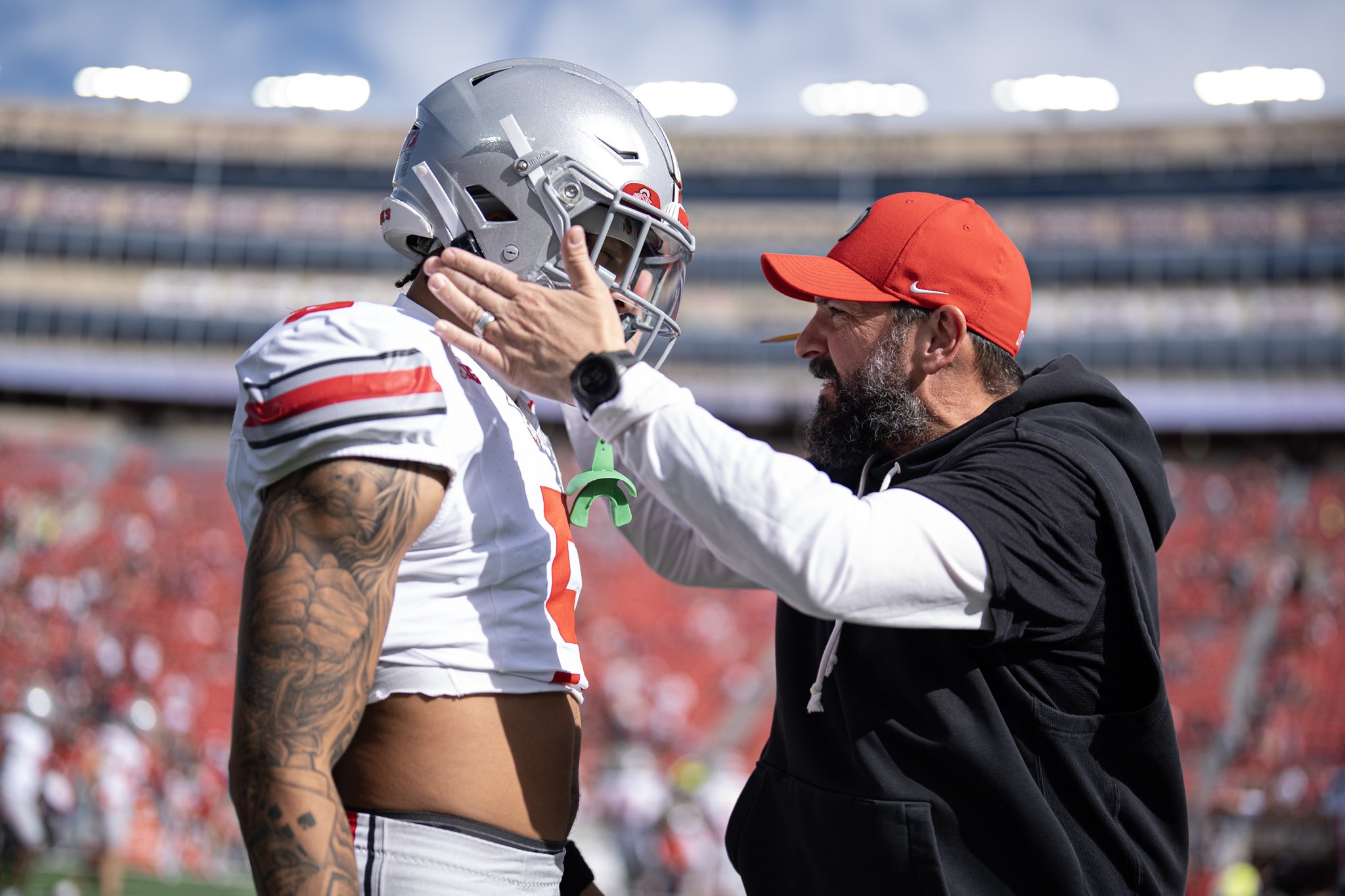
Hartline, one of the nation’s most respected wide receivers coaches and recruiters at Ohio State, built a powerhouse position room in Columbus. Year after year, elite receivers chose the Buckeyes, many from Florida pipelines Hartline cultivated. His NFL background and no-nonsense approach made him a rising star in coaching circles.

Like Fickell before him, Hartline had opportunities to make a move. There were rumors tying him to major jobs, including high-profile programs that would have brought immediate pressure. Instead, he chose a more measured path, accepting the head coaching position at University of South Florida. The Bulls represent a program with upside, especially in talent-rich Florida, but without the crushing expectations of a blue-blood powerhouse.
It’s strikingly similar to Fickell’s decision to take Cincinnati. Both men opted for programs where they could learn, build, and establish themselves as head coaches without stepping immediately into a national title-or-bust environment. Both leveraged strong regional recruiting ties. And both understood that timing matters.
Fickell’s career also serves as a cautionary tale. Even after doing everything “right” — rebuilding a program, reaching the CFP, proving his leadership — a return to Ohio State as head coach was never guaranteed. Coaching trajectories are rarely linear. They depend on relationships, timing, institutional politics, and fit as much as wins and losses.

For Hartline, USF offers the chance to grow into the CEO role of a program. If he strings together bowl appearances and contends for conference titles, his name will surface for bigger jobs. Perhaps even in Columbus someday. But as Fickell’s experience shows, nothing is promised. Opportunities can shift quickly, and the right job isn’t always the first big job available.
There’s also the broader Buckeye coaching tree to consider. Former players and assistants like Marcus Freeman, Mike Vrabel, and others continue to rise in the profession. The Ohio State DNA is spreading across college football and the NFL. Hartline is now part of that expanding branch.
In many ways, Fickell blazed the trail Hartline is now walking: elite assistant, beloved Buckeye, leap of faith into a head coaching role at a developmental program. The early chapters look familiar. What happens next will depend on fit, patience, and performance.
For Ohio State fans, the takeaway is simple. These are two coaches who love the Scarlet and Gray and chose to chase growth rather than comfort. Fickell’s path shows both the potential heights and the unpredictable turns that come with that choice. Hartline’s journey is just beginning, but the blueprint — and the warning signs — are already there.