 Eric Boggs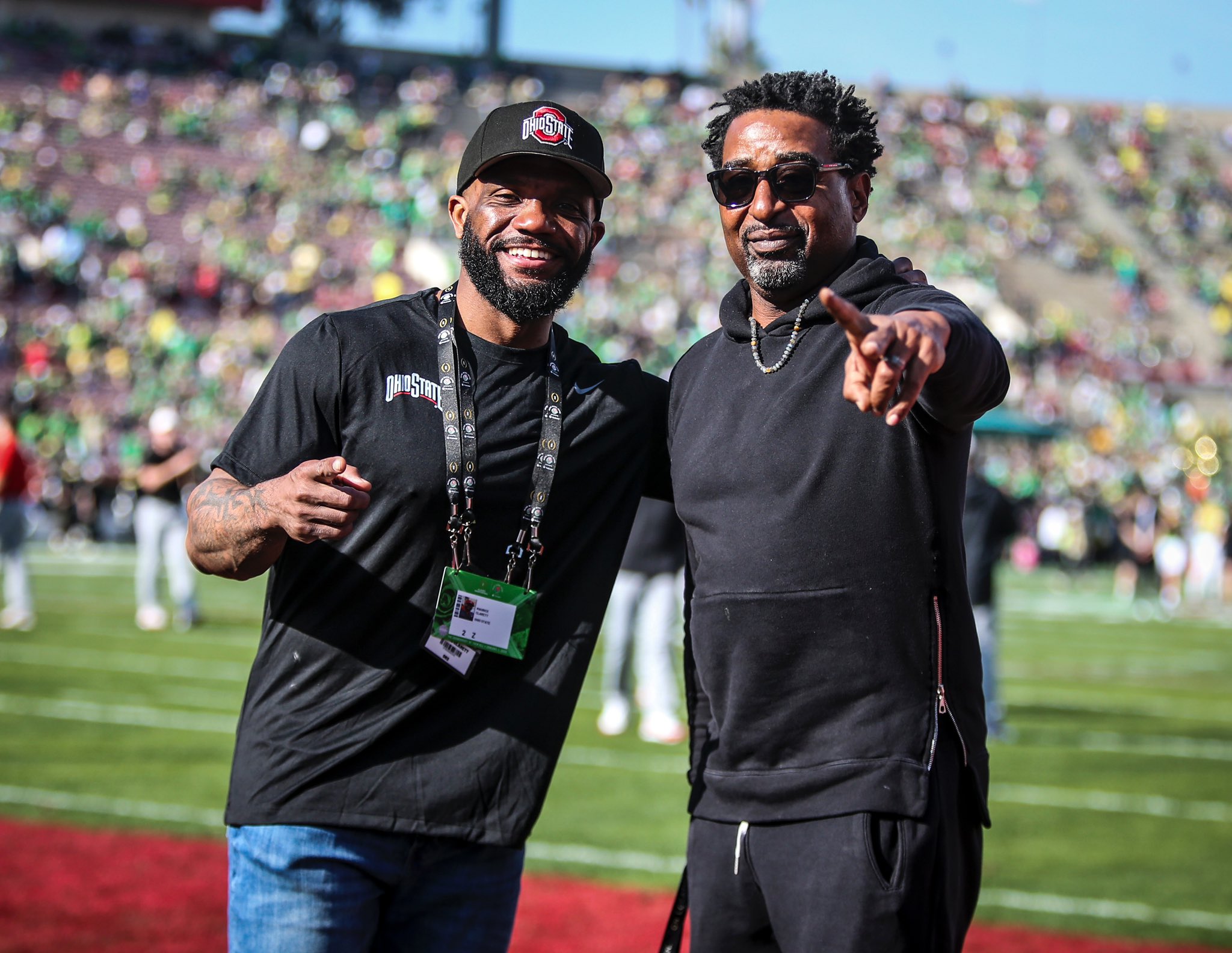
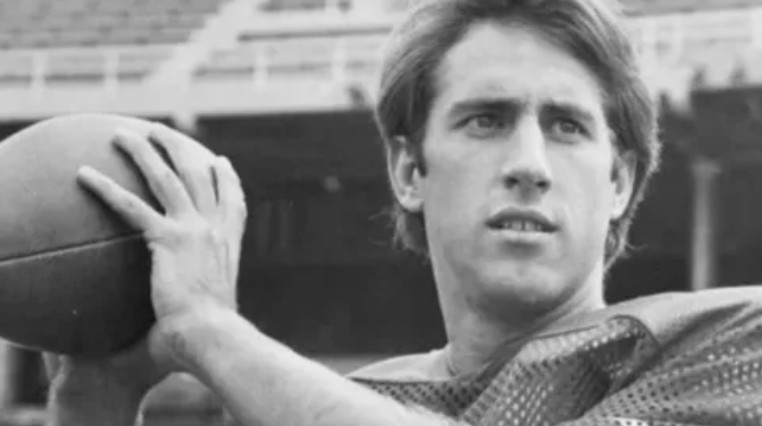
As an Ohio State fan, I cannot separate the modern success of Buckeye football from the steady, transformational leadership of Jim Tressel. He is my favorite Ohio State head coach of my lifetime, and the foundation he laid in 2002–03 remains the defining moment I use to understand what this program is supposed to be. Now, as Tressel serves Ohio as lieutenant governor and reflects on the state’s future with gratitude, his words echo the same principles he instilled in his players — service, responsibility, and belief in something bigger than yourself.
Closing out 2025, Tressel’s remarks about the countless Ohioans working for the greater good feel especially powerful. His gratitude toward educators, nonprofit workers, public servants, and everyday citizens reflects the same quiet leadership that once guided a locker room full of underdogs to the top of the sport. When he thanks the Buckeyes for another great season and looks ahead to the Cotton Bowl and another potential national championship run, it feels like a continuation of a story he helped write more than two decades ago.
That story resurfaced vividly this week in Arlington, where Maurice Clarett had a realization during the flight to Texas. The last time Ohio State and Miami met on this stage was January 3, 2003, when the Buckeyes shocked the world, beating an 11.5-point favorite Hurricanes team that many believed was untouchable. Clarett scored twice, the Buckeyes won in double overtime, and college football’s balance of power shifted overnight.

What struck Clarett most was how few people around him truly remembered that night. He and longtime trainer Doug Calland were the only ones on the team flight who had lived it. None of today’s Buckeyes were even born. Yet that game reshaped everything. Of the 43 starters, 37 became NFL Draft picks, including 18 first-rounders. Ohio State returned permanently to the sport’s summit, while Miami, for all its history, has never again reached that same height. The Buckeyes broke them!
The most debated moment still defines the conversation: the late pass interference call in overtime that kept Ohio State’s championship hopes alive. Miami still views official Terry Porter as a villain. But history and officiating review have affirmed what Buckeye fans have always known — it was the correct call. Glenn Sharpe held Chris Gamble before the ball arrived. The flag may have been late, but it was right. Clarett put it simply: if the roles were reversed, Miami fans would feel the same way we do.
Beyond the call, the game itself was stunning because of how Ohio State refused to be overwhelmed. Miami had trailed 17-7, needed a 40-yard field goal just to force overtime, and saw its dynasty begin to crumble that night in the desert. Kevin Beard, now a Miami assistant coach, later admitted complacency had crept into the Hurricanes’ culture. What Ohio State gained that night was belief. What Miami lost was identity.

Today, the roles are reversed. Miami is fighting to return to its former glory, while Ohio State stands where Miami once did — the standard of college football. The Buckeyes enter this postseason as favorites again, loaded with elite talent, carrying the expectations that once crushed others. As Clarett said, some people have only known Ohio State to be great. That reality was forged in 2002.
When I connect Tressel’s message of gratitude and service with this football legacy, the thread is clear. The same mindset that rebuilt Ohio State football now guides his work for the people of Ohio. It is leadership grounded in humility, discipline, and purpose. The Buckeyes of today may not know his locker room speeches, but they live inside the culture he created.
As Ohio State chases another championship and the state looks toward 2026 with optimism, this moment feels like a continuation of a much larger story. From Tempe to Arlington, from the sideline to the statehouse, Jim Tressel’s influence still defines what it means to represent Ohio — in football, in leadership, and in life.