 Eric Boggs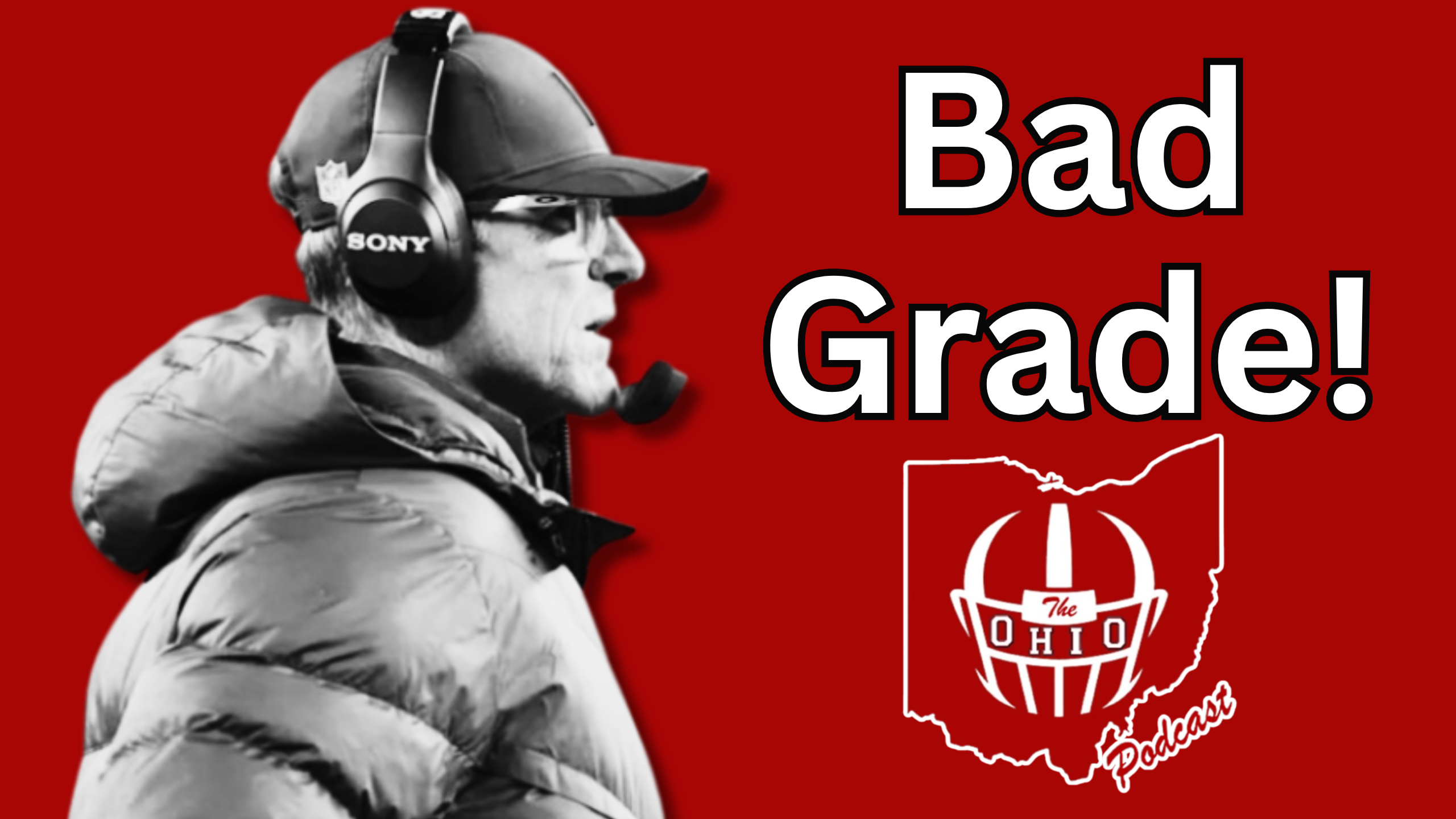
The latest NFL player survey has delivered a result that many Buckeye fans might describe as equal parts revealing and oddly unsurprising: Jim Harbaugh did not exactly earn a gold star from his locker room with the Los Angeles Chargers. According to polling conducted by the NFL Players Association between early November and mid-December, Harbaugh received a “C+” from his players, placing him among the lowest-graded head coaches in the league despite leading the team to the postseason. For context, the survey included 1,759 players leaguewide, and while the Miami Dolphins topped organizational marks and the Pittsburgh Steelers finished last overall, the Chargers landed squarely in the middle at No. 15—hardly disastrous, but far from elite.
The details behind that grade paint a more nuanced picture. Players ranked Harbaugh dead last among coaches in efficient use of their time and near the bottom in receptiveness to feedback. That matters in a league where veterans expect collaboration rather than command-and-control leadership. The lowest score on the entire report card went to former offensive coordinator Greg Roman, who earned a “D-” before being replaced by Mike McDaniel. Some reportedly disgruntled players—including tight ends Tyler Conklin and Will Dissly, along with guard Mekhi Becton—were said to be among those frustrated with their roles, which may have influenced the anonymous responses. Meanwhile, the franchise’s facilities earned strong marks, with locker room, training, and weight areas all receiving A- grades, and former defensive coordinator Jesse Minter even scored an A+ before leaving to lead the Baltimore Ravens, prompting Los Angeles to hire Chris O’Leary as his replacement.

What makes the situation intriguing is the company Harbaugh finds himself in. The only other coaches graded below a B were Kevin Stefanski, Brian Daboll, and Pete Carroll—all of whom were dismissed from their head-coaching posts. That statistical neighborhood is not one any coach wants to live in, even if the Chargers’ on-field results remain respectable. NFL history shows that when tension builds between players and coach, ownership typically replaces the headset before it replaces the entire roster.
Commentary from The OHIO Podcast leaned into that reality with a dose of Buckeye-flavored sarcasm, arguing that professional players are seasoned adults with short earning windows who quickly tune out messaging they don’t trust. The show’s host suggested Harbaugh’s old college-style approach—built on authority and belief in the system—can clash with veteran pros who expect transparency and collaboration. Whether one agrees with that assessment or not, it underscores a broader truth: the NFL is a results business, but it’s also a relationship business.
From an Ohio State perspective, there’s an undeniable layer of irony. Harbaugh built his reputation in college football tormenting Ohio State head coach Ryan Day while leading the Michigan Wolverines, and he’s long been known for his intense personality and unconventional style. That intensity helped him win everywhere he’s coached, yet it can also create friction when personalities and expectations don’t align. Even so, it would be premature to write his NFL obituary. He has succeeded at nearly every stop in his career, and coaches with that résumé rarely stay down long.
Still, the survey results serve as a reminder that even proven winners must evolve. In the NFL, respect is currency, communication is oxygen, and locker-room buy-in is the difference between a playoff push and a pink slip. If Harbaugh can smooth the edges and reconnect with his players, this could be a minor speed bump. If not, the middle-of-the-pack ranking might be remembered as the first rumble before a much louder storm. For now, Buckeye fans can simply watch, popcorn in hand, as one of football’s most polarizing figures tries to win over the toughest audience he’s faced yet—his own team.