 Eric Boggs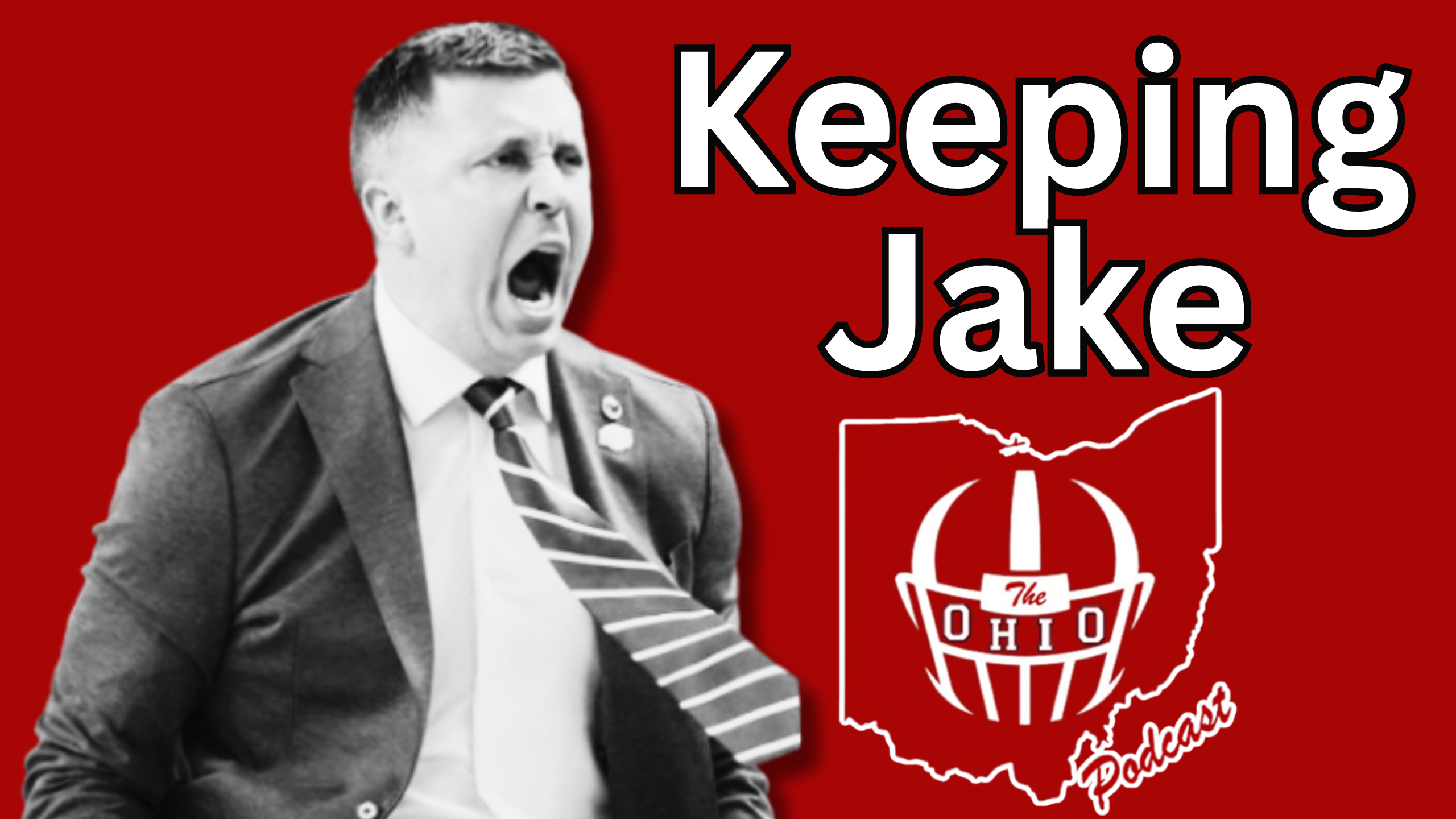
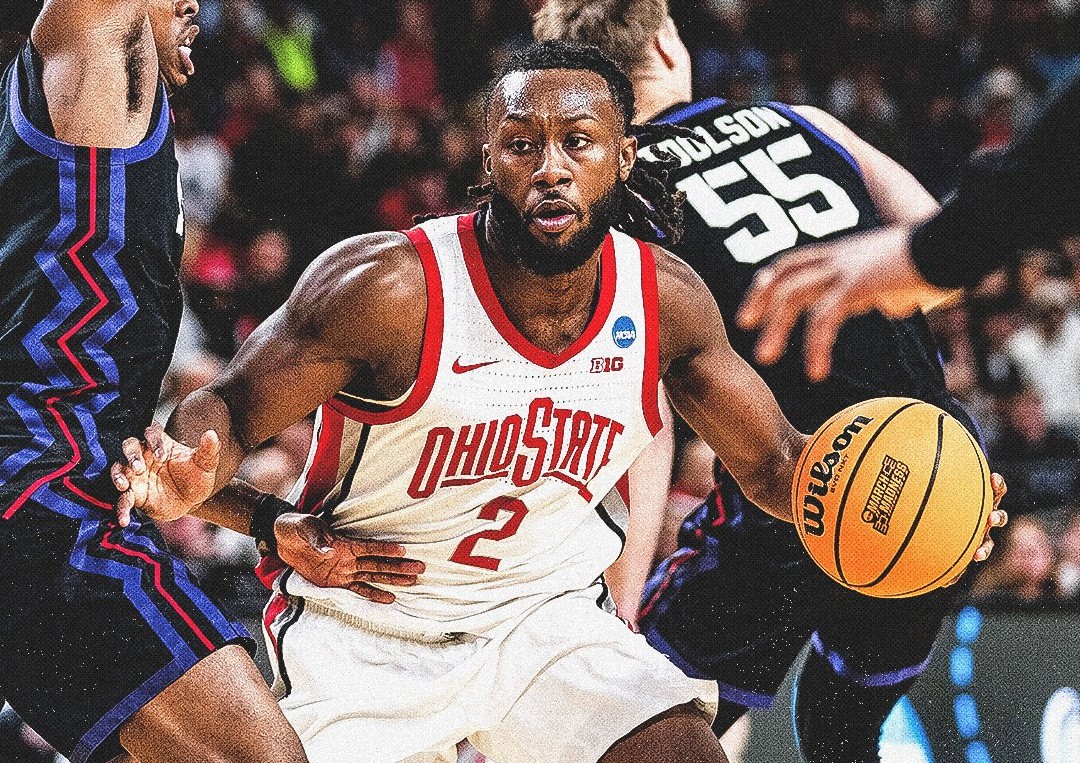
The reaction from portions of the Ohio State Buckeyes men’s basketball fanbase after the NCAA Tournament loss to TCU has been loud—and in some cases, extreme. Calls to move on from Jake Diebler have surfaced quickly, fueled by frustration over an early March exit.
But stepping back from the emotion of a 66-64 loss reveals a different reality. Ohio State just completed its first NCAA Tournament appearance in four years, showed clear growth over the course of the season, and did it under a head coach still in the earliest stages of building both a program and his own résumé. The idea that Diebler should be on the hot seat ignores both context and trajectory.
There’s also a broader issue at play within the fanbase itself. Former Buckeye Mark Titus has openly criticized segments of Ohio State supporters for what he describes as “parachute fandom”—fans who tune in late in the season and demand top-10 results without sustained investment. That disconnect between expectation and engagement has helped fuel the current overreaction.
The reality is far more nuanced, and there are several compelling reasons why Diebler not only deserves to stay—but deserves continued support.

First, his impact as a recruiter cannot be overstated. Ohio State has struggled to consistently land and develop top-tier talent since the peak years under Thad Matta, but Diebler is changing that. His recruiting pedigree dates back years, including landing elite talent like Darius Garland during his time at Vanderbilt, and it has translated to Columbus. Players like John Mobley Jr., Devin Royal and Amare Bynum represent a new wave of talent that Ohio State simply wasn’t stacking consistently in recent seasons. Walking away from that momentum now would risk resetting the program yet again.
Second, player development and culture are trending in the right direction. Under Diebler, Ohio State’s roster showed visible growth throughout the season. Bruce Thornton evolved into the program’s all-time leading scorer, while younger players took meaningful steps forward. Just as important, Diebler has emphasized accountability and structure—elements that had wavered in the Chris Holtmann era. Culture doesn’t flip overnight, but signs of a stronger foundation are already evident.
Third, the results themselves show progress. Ohio State improved to 21 wins and returned to the NCAA Tournament after multiple years on the outside. That may not meet the lofty expectations of some fans, but it represents a clear step forward. Program building is rarely linear, and expecting immediate Final Four contention ignores how even successful rebuilds typically unfold.
It’s also worth noting Diebler’s background and connection to Ohio. A Gibsonburg native, he built his career from the ground up—first as a player at Valparaiso University, then rising through the coaching ranks before returning to the state of Ohio. His path includes developing NBA-level talent and contributing to multiple tournament teams as an assistant. This isn’t an outsider learning on the job—it’s someone deeply familiar with the program’s standards and identity.
From a basketball standpoint, Diebler has also demonstrated strong in-game coaching ability. Adjustments—like offensive shifts and spacing changes—were evident throughout the season, including in the NCAA Tournament comeback attempt against TCU. While the final possession didn’t fall, the Buckeyes were in position to win after trailing by 15 at halftime. That doesn’t happen without effective coaching.

There’s also a practical layer to the conversation. Financially, moving on from Diebler isn’t insignificant. His contract would cost Ohio State roughly $3–5 million if terminated early, money that could instead be invested in roster building through NIL—an area that remains critical in today’s college basketball landscape. Programs that succeed consistently aren’t just firing coaches; they’re resourcing them.
Ultimately, the biggest argument for patience comes down to stability. Constant resets have plagued college programs across the country, and Ohio State is no exception in recent years. If Diebler continues to build—improving win totals, developing talent, and strengthening recruiting pipelines—the long-term payoff could far outweigh the frustration of a single tournament loss.
The Buckeyes aren’t a finished product. But they’re no longer drifting, either.
For a program trying to reestablish itself in a highly competitive Big Ten Conference, the choice is clear: stay the course and build something sustainable—or start over and risk falling further behind.
Right now, Jake Diebler has earned the chance to keep building.