 Eric Boggs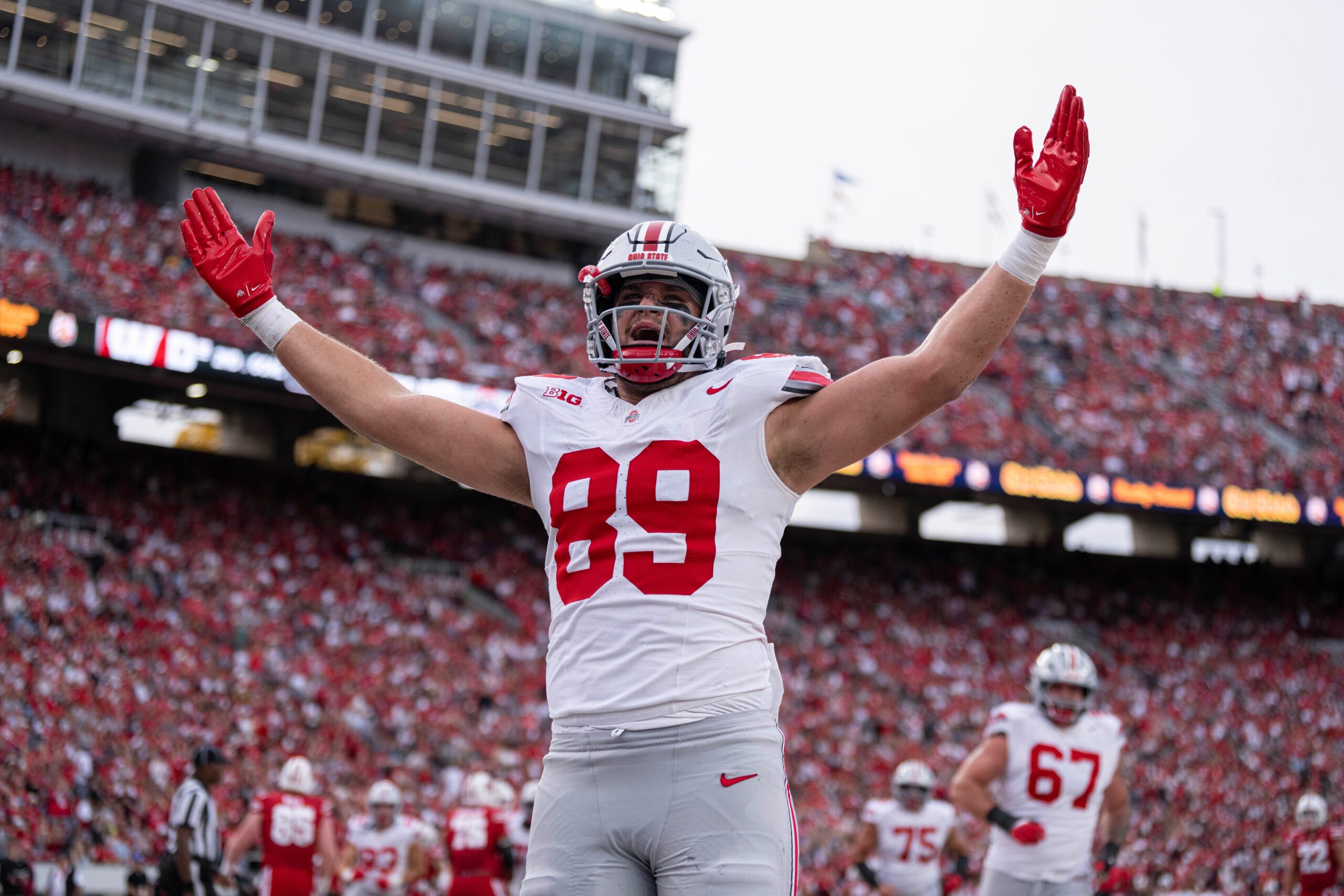
As Ohio State football looks to the future, the program is once again evaluating how to keep the iconic Ohio Stadium among the elite venues in college football. The 104-year-old Horseshoe remains one of the sport’s most revered cathedrals, but with the landscape rapidly evolving, Ohio State is taking a measured approach to modernization.
Under the direction of athletic director Ross Bjork, the university is preparing to gather feedback directly from fans and season-ticket holders through a comprehensive survey. Partnering with consulting firm CSL International, the initiative represents the most in-depth review of the stadium in more than a decade.
Bjork made it clear that maintaining Ohio State’s standard requires constant evolution, pointing to the need for updated amenities, enhanced fan experience, and new revenue opportunities. From an Ohio State fan’s perspective, that commitment is encouraging—but it also raises a fair question: how much of this could already be known?

Frankly, Buckeye Nation—and especially platforms like The OHIO Podcast—have been discussing stadium improvements for years. If Bjork had simply asked that community, the Ohio State athletic department might have saved both time and money in identifying what fans truly want.
Still, the formal process is now underway. A central focus of the survey is expanding premium seating options, an area where Ohio State has fallen behind some of its peers. Fans will be asked about their interest in everything from club seating and luxury suites to standing-room-only areas and all-inclusive hospitality experiences.
This emphasis reflects internal findings that the current premium offerings at Ohio Stadium are limited compared to other top programs. While the Horseshoe’s traditional seating remains one of its defining characteristics, the modern era of college football increasingly demands a wider range of experiences to satisfy both die-hard fans and high-level donors.
Former Buckeye wide receiver Kevin Griffin, now a key figure in the department’s business strategy, emphasized that the effort is rooted in data rather than assumptions. Conversations with donors last fall helped spark the initiative, but the goal now is to validate ideas with broader fan input.

Ohio Stadium last underwent major premium upgrades during its 2001 renovation, when luxury suites were added to the west-side press box. Additional enhancements followed in the late 2010s with suites and loge boxes in the northwest corner. Even so, the current approach signals that Ohio State recognizes the need to reassess where it stands in today’s competitive environment.
Importantly, no final decisions have been made. The department is still in the listening phase, using the survey to gauge interest levels, pricing tolerance, and overall demand. Griffin stressed that the feedback will ultimately determine whether any large-scale investments move forward.
From a fan’s standpoint, that openness is critical. The Horseshoe isn’t just a stadium—it’s a tradition. Any changes must balance modernization with the atmosphere that makes Saturdays in Columbus special. If done correctly, Ohio Stadium can evolve without losing its soul.
And if nothing else, perhaps next time, Bjork will save a few dollars and start by asking the people who live and breathe Buckeye football every day.