 Eric Boggs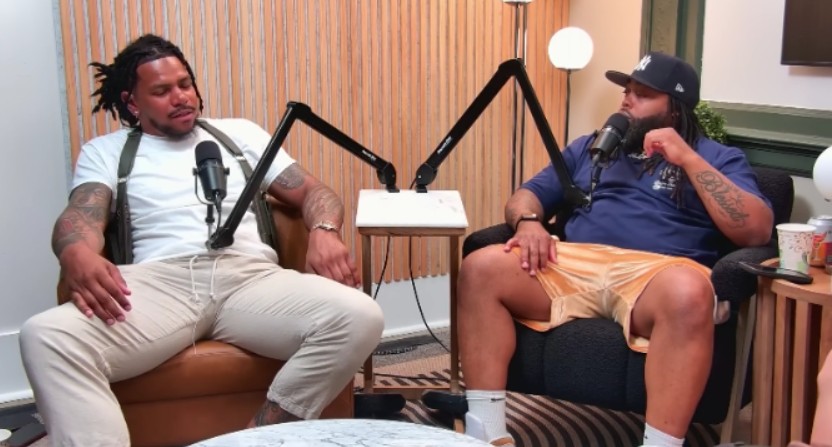
When Terrelle Pryor finally broke his silence in a rare media appearance, it didn’t just provide insight into his recruitment—it reopened a chapter of college football that still feels unresolved, especially from an Ohio State perspective. His decision to choose the Ohio State Buckeyes football over other powerhouse programs ultimately came down to one thing: trust in Jim Tressel.
Pryor described Tressel as “thorough,” a word that, in his context, meant genuine, consistent, and unwavering. While other programs made flashy promises behind the scenes, Tressel built his relationship on honesty and presence. For a young athlete coming out of challenging circumstances, that authenticity mattered more than anything being offered elsewhere. It’s a reminder of what Ohio State has long prided itself on—relationships, development, and a culture that extends beyond the field.
That same loyalty, however, is what ultimately cost Tressel his job. Pryor’s retelling of the tattoo scandal—one of the most scrutinized moments in modern college football—painted a familiar picture: players exchanging memorabilia for benefits, something that is now completely legal in today’s NIL era. At the time, it led to suspensions, vacated wins, and the forced resignation of a coach who chose to protect his players rather than expose them. Tressel’s decision to remain silent wasn’t about deception as much as it was about standing by the young men he had promised to guide.

From an Ohio State viewpoint, that distinction still matters. Tressel wasn’t running a rogue operation for competitive advantage; he was navigating a flawed system that punished players for trying to support themselves and their families. Pryor himself admitted to selling memorabilia and receiving money—actions that, in today’s landscape, would not only be permitted but encouraged. Yet at the time, those same actions led to an eight-game NFL suspension before he ever played a down professionally, further compounding the punishment.
What makes Pryor’s comments resonate even more is his criticism of the NCAA. He described a system driven by money and optics, pointing to the inconsistency of being ruled ineligible, only to be reinstated for a major bowl game when television ratings and revenue were at stake. For Ohio State fans, that inconsistency has long been a source of frustration. The rules were enforced harshly when it came to the Buckeyes, yet bent when it benefited the broader business of college football.
The discussion from The OHIO Podcast reinforced that sentiment, with former players and analysts echoing what many in Columbus have believed for years: Ohio State has often been held to a different standard. Whether it was the fallout from the tattoo scandal or the ripple effects on players like Pryor and his teammates, the punishment felt disproportionate—especially when compared to how other programs have been treated in similar or more serious situations, such as the recent Michigan cheating scandal.

There’s also a deeper layer to this story that speaks to Tressel’s character. His handling of the situation was influenced, in part, by past experiences with players like Maurice Clarett, whose post-college struggles left a lasting impact on him. When faced with another moment that could define the futures of his players, Tressel chose to absorb the consequences himself. That decision, while costly, is a large part of why he remains so respected within the Ohio State community.
Looking back now, it’s impossible to ignore how much the sport has changed. NIL deals have transformed the landscape, allowing athletes to profit in ways that were once strictly prohibited. Pryor’s story, once viewed as a cautionary tale, now feels more like evidence of a system that was out of step with reality. The same actions that led to penalties, suspensions, and lost opportunities would barely register as violations today.

From an Ohio State fan’s perspective, the lingering frustration isn’t just about what happened—it’s about the lack of acknowledgment. There has been no meaningful apology, no restoration of vacated wins, and no real effort to reconcile the damage done to players and coaches who were operating in a system that has since been fundamentally changed. Pryor’s comments serve as a reminder that while the rules may evolve, the consequences endured by those who came before are not so easily erased.
In the end, his story reinforces what many already believe: Ohio State didn’t just lose games or a coach during that era—it became a symbol of selective enforcement in a system that has long struggled with consistency. And until that history is fully addressed, it will remain a defining part of the conversation surrounding both Pryor’s legacy and the program he chose because of a coach who, above all else, kept it real.