 Eric Boggs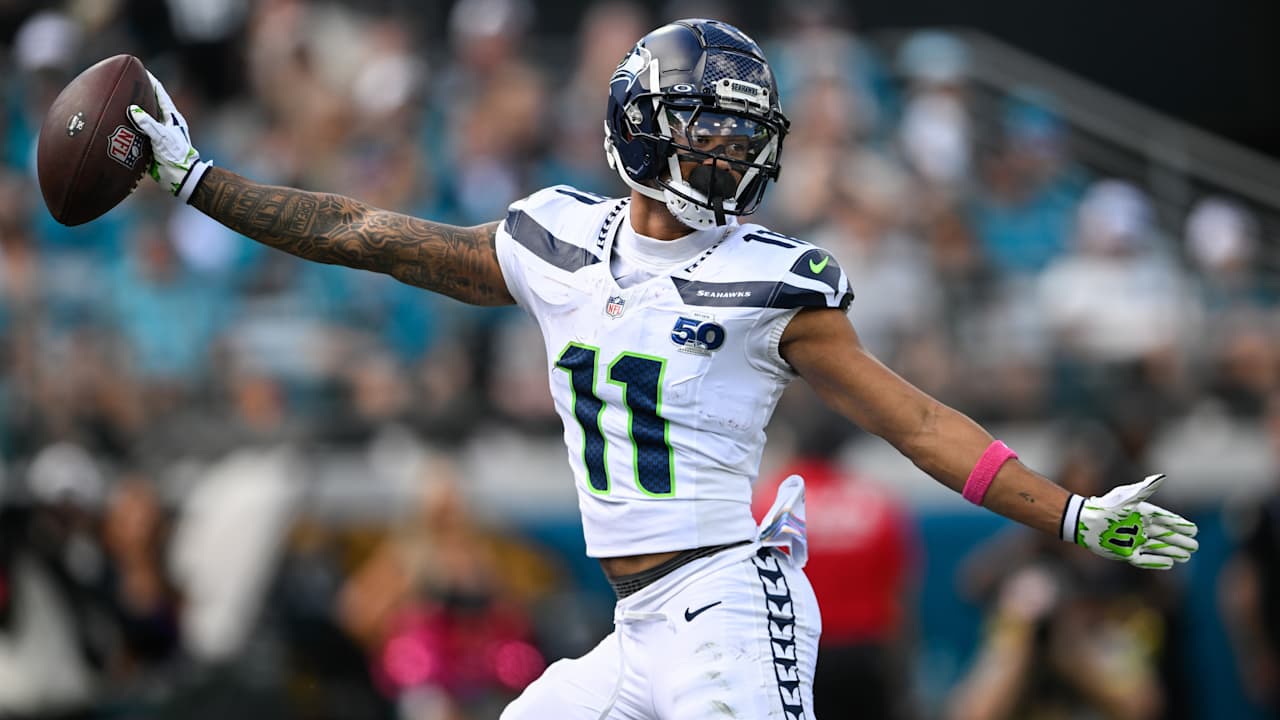
There’s something fitting about Jaxon Smith-Njigba returning to Ohio Stadium at a time when Ohio State is clearly intent on restoring its standard. The former Buckeye star, now a Super Bowl champion and the highest-paid wide receiver in NFL history, will ring the Victory Bell before the spring game, adding his name to a growing tradition that connects the program’s present with its championship pedigree. For Ohio State fans, it’s more than ceremony—it’s a reminder of what elite development looks like when everything is operating correctly.
Smith-Njigba’s return comes on the heels of a historic 2025 NFL season in Seattle, where he led the league in receiving yards and played a pivotal role in a Super Bowl run. His presence in Columbus underscores what the Buckeyes are striving to get back to: not just producing talent, but maximizing it. That’s a theme that quietly defines this offseason.
After a 2025 campaign that exposed structural shortcomings despite a strong win total, Ryan Day has reshaped the program in ways that feel less like overreaction and more like long-overdue correction. The Buckeyes are no longer asking coaches to juggle multiple roles or relying on internal stopgaps. There is now a clear emphasis on specialization, from a dedicated special teams coordinator with a proven track record to experienced leadership across position groups. Even the wide receiver room—long considered “WRU”—has returned to having a singular, focused voice guiding it.

The result is a roster and staff that look far more aligned with what a program of Ohio State’s stature should be. With over 50 new players added through recruiting and the transfer portal, the Buckeyes have intentionally accelerated their timeline, opting for experience and readiness over waiting for young talent to develop. In today’s college football landscape, maturity and depth can be acquired rather than cultivated over years, and Ohio State has leaned fully into that reality.
What stands out most heading into 2026 is the absence of obvious weaknesses. A year ago, questions surrounded first-time coordinators, inexperienced units, and uncertain special teams play. Now, the foundation appears solid across the board. This is shaping up to be one of the clearest “just execute” seasons of the Day era, where success or failure will hinge less on structural concerns and more on performance in key moments.
That focus on the margins is not accidental. Close losses in recent seasons have highlighted how small details—special teams execution, depth contributions, situational awareness—can define championship outcomes. Ohio State’s offseason moves suggest a program determined not to lose those edges again.

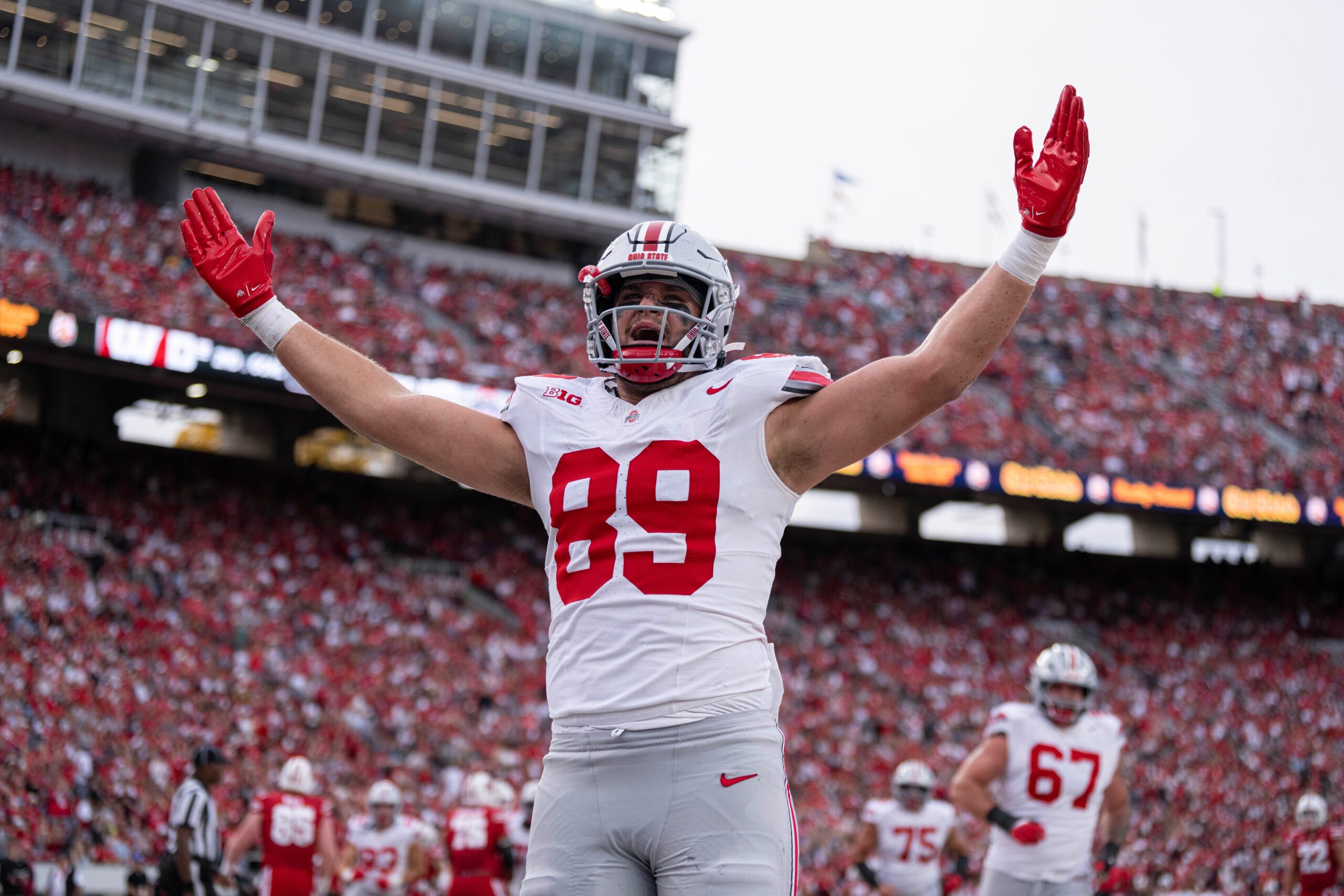
Saturday’s spring game won’t provide definitive answers, and like modern spring showcases under Day, it will resemble more of a controlled practice than a true competition. Key players will be limited, contact will be moderated, and schemes—especially offensively—will remain vanilla. Defensively, however, fans may get a glimpse of the unit’s versatility, with multiple fronts and packages reflecting a group built to adapt rather than specialize.
Still, the spring game carries a different kind of intrigue this year. With no immediate transfer portal window threatening to poach breakout performers, players can compete freely without unintended consequences. It allows for a more authentic evaluation environment, even within the controlled format.
Longtime fans will remember when these games looked very different—full tackling, fixed rosters, and fewer mid-game adjustments. From the unusual 2013 spring game held in Cincinnati’s NFL stadium to the early days of Urban Meyer’s modified formats, the evolution has been significant. Today’s version may lack some of that raw competitiveness, but it serves a different purpose: development, evaluation, and preservation.

As Ohio State moves through the spring, the bigger picture is becoming clear. This is a program that has addressed its flaws with intention and resources, aligning itself more closely with the expectations that come with wearing scarlet and gray. With a strengthened infrastructure and a roster built to win now, the Buckeyes have positioned themselves so that if goals aren’t met in 2026, it won’t be due to oversight or neglect.
And as Smith-Njigba rings the Victory Bell, it will serve as both a celebration of past excellence and a challenge to the current roster—one that now has everything it needs to write its own chapter.